
When travelers first arrived in Dar es Salaam, one of the first questions they asked us was usually simple: “How do I get around?”
Dar is a large, busy city, and the answer depends on where you are going, how much time you have and how comfortable you feel navigating unfamiliar streets. A dala-dala may be perfect for one journey. A bajaj may make more sense for the next. And when you have luggage, are arriving late or simply do not want to negotiate, a ride-hailing car is often worth the extra cost.
After years of living in Dar and helping Gallivanters guests find their way around, this is the practical version of the advice we gave at the front desk—without pretending that one transport option works for everyone.
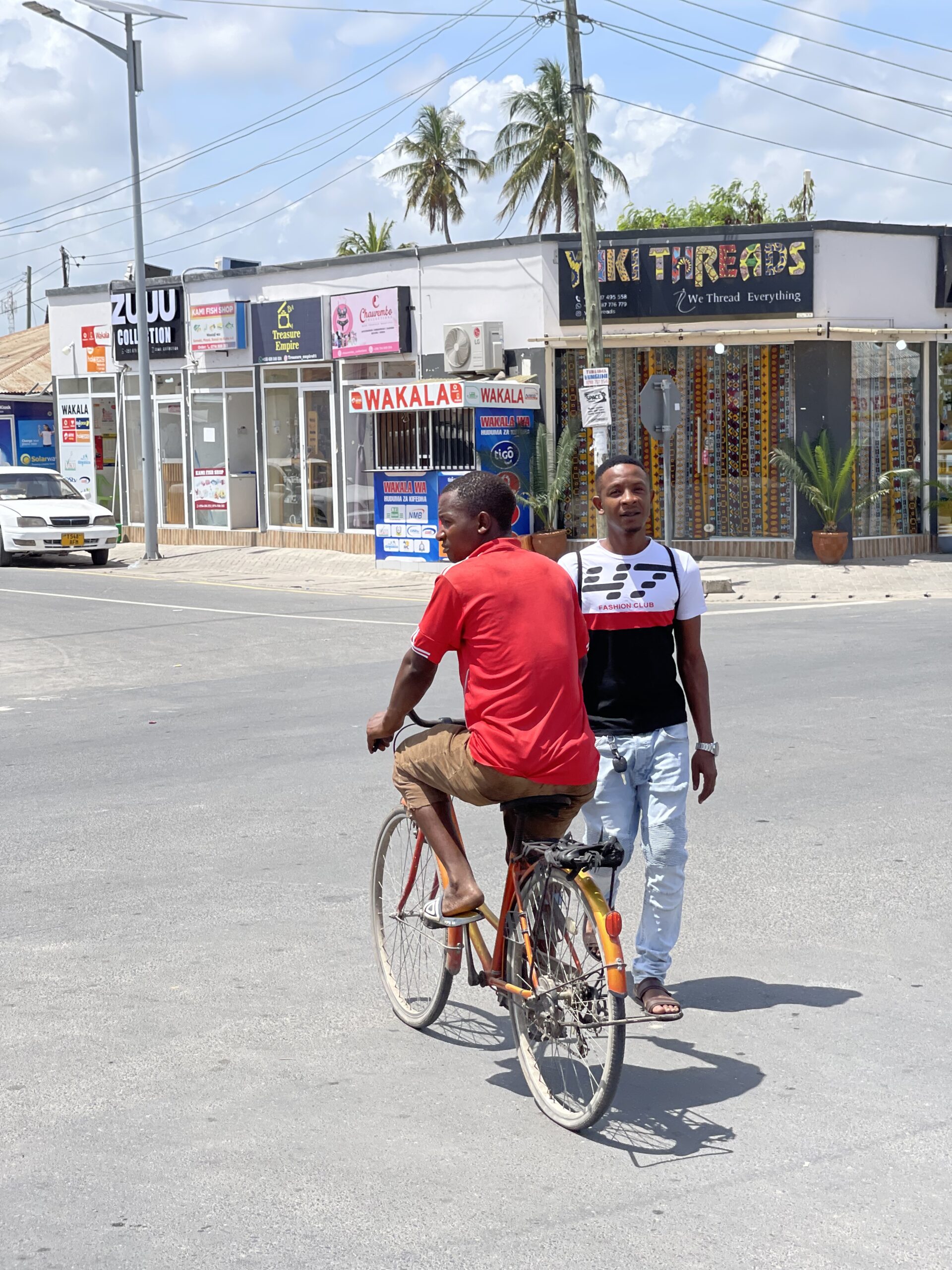
First, understand Dar’s rhythm
Traffic in Dar es Salaam can change a short trip into a long one, especially during the morning and evening rush. Distance matters, but timing matters just as much. If you have an airport check-in, ferry departure or appointment, leave a generous buffer.
It also helps to carry small Tanzanian shilling notes, keep your destination written down and follow your route on your phone. A local landmark is often more useful to a driver than a street number.
Dala-dalas: inexpensive and deeply local
Dala-dalas are privately operated minibuses that connect neighborhoods across the city. They are one of the least expensive ways to travel, but the system can feel confusing on a first visit because routes are identified by destinations and major stops rather than a simple tourist map.
The conductor—commonly called the konda—collects fares and calls out stops. Before boarding, say the name of your destination or the nearest major landmark and confirm that the vehicle is going in the correct direction.
According to Tanzania’s Land Transport Regulatory Authority, official urban-bus fares are distance based, beginning at TSh 600 for routes up to 10 kilometers and increasing for longer journeys. Rates and routes can change, so check the current LATRA fare table rather than relying on an old blog price.
- Carry small notes and coins.
- Keep your phone and wallet secure in crowded vehicles.
- Ask the conductor before boarding if you are unsure.
- Travel during daylight until you understand the route.
- Say nashuka when you need to get off.
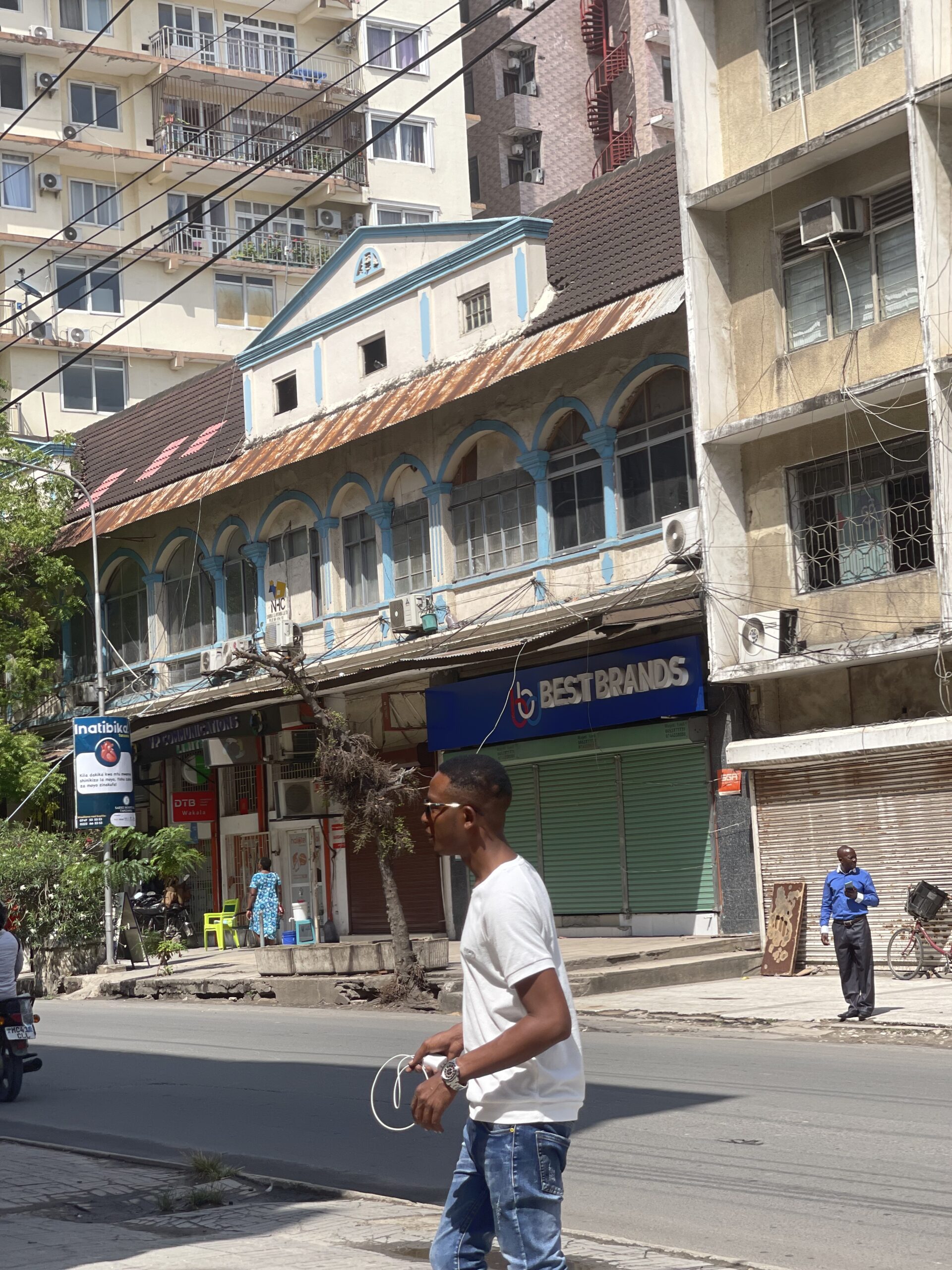
DART buses: useful when the corridor fits your journey
Dar es Salaam’s bus rapid transit system is commonly called DART or mwendokasi. Its dedicated lanes can make it a practical way to cross parts of the city without sitting in the same traffic as ordinary vehicles.
DART does not reach every neighborhood, so think of it as part of a journey rather than a complete door-to-door solution. You may still need to walk, take a dala-dala or use a bajaj at either end. The network continues to develop, and service details can change; the official DART website is the best place to check current information.
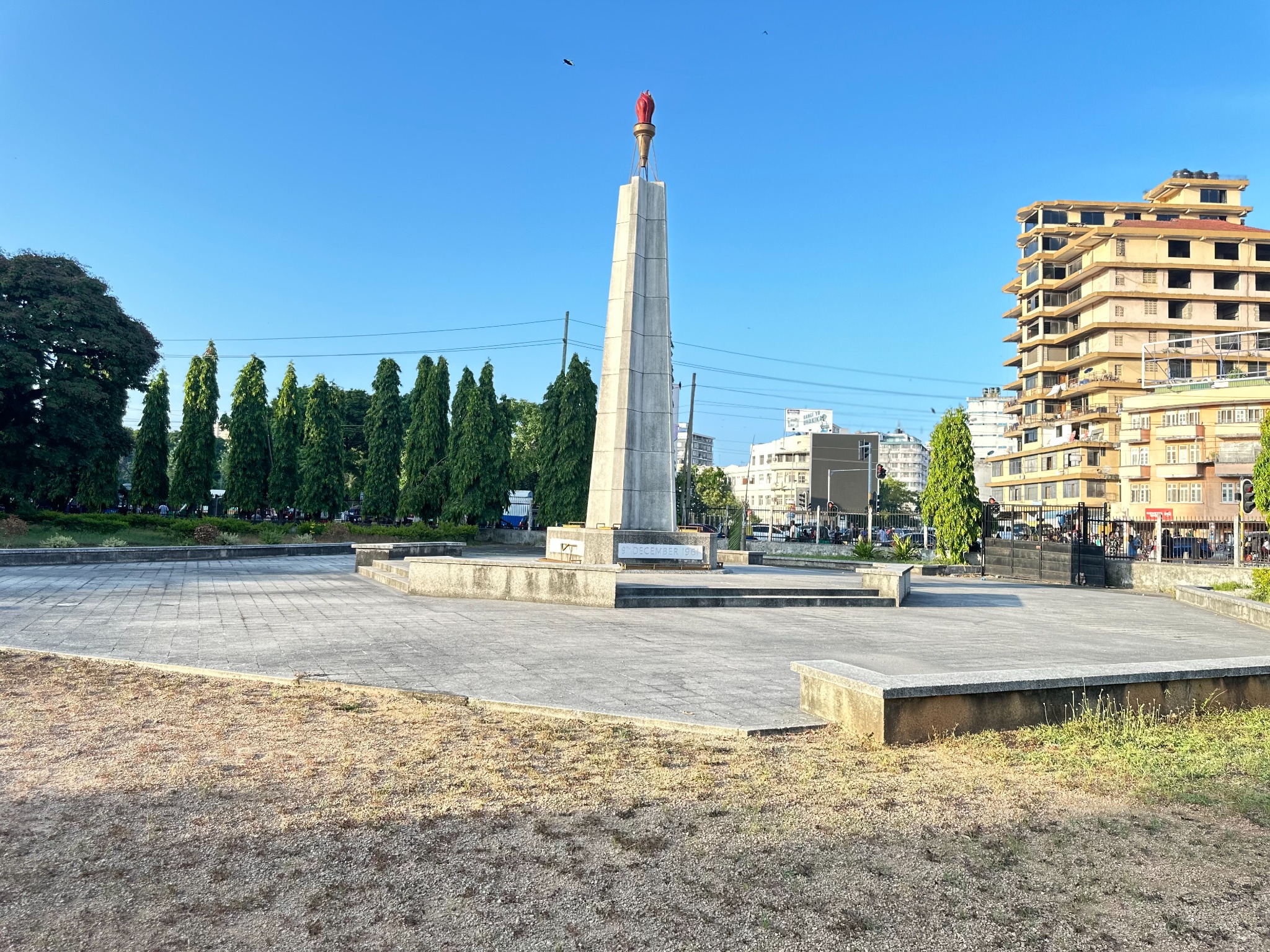
Real scenes from getting around Dar
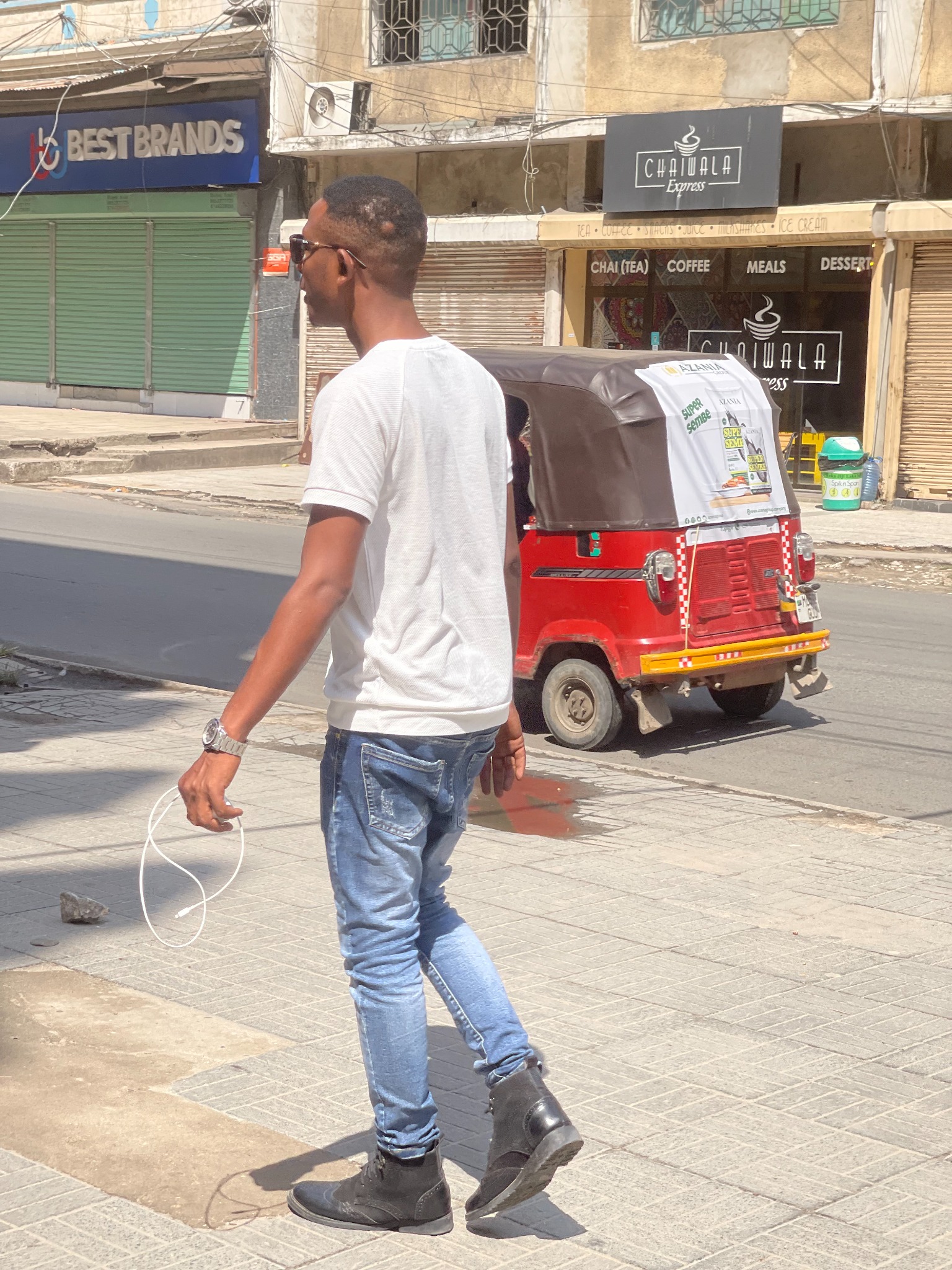
Bajajs: often the easiest choice for short trips
A bajaj is a three-wheeled vehicle that sits between a motorcycle and a small taxi. For short neighborhood trips, it can be one of the most convenient ways to move around Dar. It is open to the air, easier than a dala-dala when you have a small bag and often quicker than a car in slow traffic.
Agree on the fare before you begin unless you are booking through an app that shows the price. Be specific about the destination, and do not assume that every driver knows a small street or property name.
Boda-bodas: fast, but not my first recommendation
Motorcycle taxis can move through traffic quickly, but speed is not the same as safety. I would not make a boda-boda the first choice for a visitor carrying luggage, unfamiliar with the road or traveling without a proper helmet.
If you decide to use one, choose a sober and careful driver, insist on a helmet and ask the driver to slow down if you feel uncomfortable. Pole pole means slowly. You are never obligated to continue a ride that feels unsafe.
Ride-hailing cars: best for luggage, late arrivals and unfamiliar routes
Ride-hailing apps are useful when you want a recorded trip, a quoted fare and door-to-door transport. Availability can change, so check which services are operating before you travel.
Always compare the driver, vehicle and registration number with the details in the app before entering. Share the trip with someone you trust, especially at night, and wait in a well-lit public place.
Airport, ferry and bus-terminal journeys
From Julius Nyerere International Airport
With luggage or after a long flight, a pre-arranged driver or ride-hailing car is usually the calmest option. Avoid accepting a ride from someone who will not clearly agree to the price or identify the vehicle. Traffic between the airport and the coast or Peninsula can be heavy, so do not plan a tight connection.
From the Zanzibar ferry terminal
The ferry area can feel intense when passengers emerge with bags and drivers begin offering rides. Step away from the immediate crowd, keep your luggage close and arrange transport through a recognized counter, app or trusted driver. Read our Dar es Salaam–Zanzibar ferry guide before your travel day.
From Ubungo or Magufuli Bus Terminal
Long-distance buses may arrive early, late or after dark. If you do not know the area, arrange the last part of the journey before the bus arrives. It is much easier than trying to compare offers while tired and surrounded by luggage.

A few habits that make every journey easier
- Download an offline map before leaving Wi-Fi.
- Save the name and phone number of where you are staying.
- Carry small cash separately from your main wallet.
- Avoid displaying your phone near an open car window or on the street.
- Ask a trusted local what the trip should cost before negotiating.
- Allow extra time for rain, road works and rush-hour traffic.
If you are staying longer and trying to work remotely, our Digital Nomads & Slow Travel page brings together practical East Africa resources and local consultations.

The honest answer
There is no single “best” way to get around Dar. Use the dala-dala when you have time and want the local experience. Choose a bajaj for a short hop. Use DART when the route serves your journey. Pay for a car when comfort, luggage or timing matters more than saving a few shillings.
Dar becomes less overwhelming when you take it one journey at a time. Where are you trying to go first?
