
When travelers stayed with us at Gallivanters, one of the questions we heard most often was not, “Should I go on safari?” It was, “Can I afford it?”
I understood the hesitation. A Tanzania safari can look impossibly expensive when you begin searching online. You see beautiful lodges, private vehicles and long itineraries—and very little explanation of what you are actually paying for.
My own first trip to Tanzania was not the result of a perfect, long-planned itinerary. In October 2021, other travel plans kept falling apart. Ghana visas did not work out, South Africa had closed, and Kenya and Rwanda would have meant quarantine. Tanzania was open, and our visas were approved in less than 48 hours.
Kibwana planned two weeks for my family that included Selous, the islands, Zanzibar and the markets. At that point, I could not have known that I would fall in love with Tanzania, marry the man who planned the trip and later build Gallivanters with him. I only knew that having a local person explain the choices made the country feel possible instead of overwhelming.
After years of hosting international travelers in Dar es Salaam, and with Kibwana working as a Tanzanian guide and tour operator, we learned that the best safari is not always the longest or the most luxurious. It is the one planned honestly around your time, priorities and budget.
This guide is for travelers who want a meaningful safari without paying for things they do not need—and without choosing a bargain that compromises safety, fair wages or the quality of the experience.
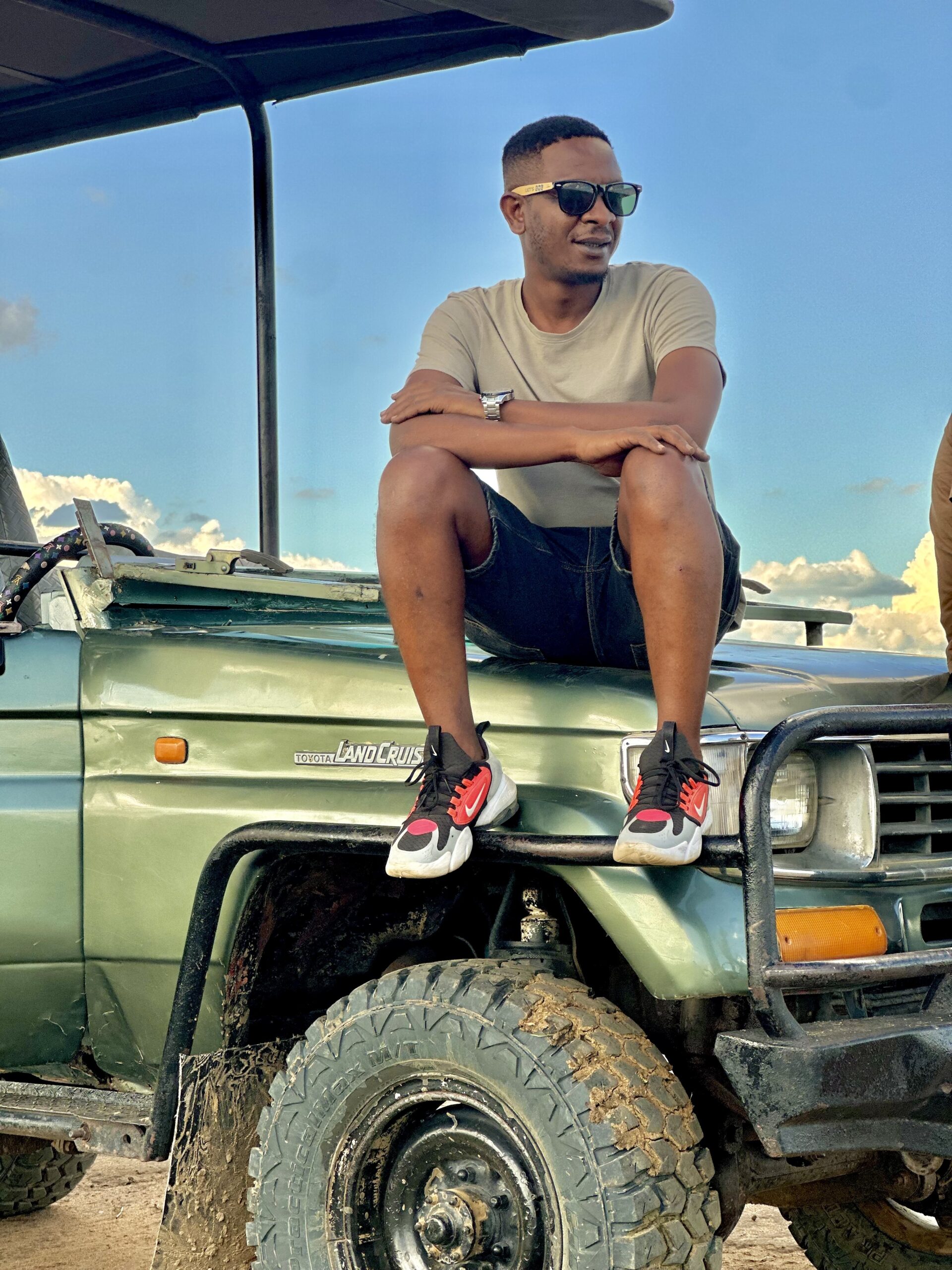
First, decide what matters most to you
Before asking for quotes, think about the experience you actually want. Is seeing the Serengeti a lifelong dream? Are you hoping for a shorter safari from Dar es Salaam? Do you care more about wildlife, quiet landscapes, photography, comfort or meeting other travelers?
Those answers matter because “a safari in Tanzania” can describe very different trips. A northern-circuit itinerary covering several famous parks is not priced or paced like a shorter southern safari. A private trip is different from sharing a vehicle. Camping is different from a tented camp or lodge.
Trying to fit every famous place into one trip often makes a safari more expensive and more exhausting. A shorter, well-planned itinerary can feel much richer than several days spent rushing from one park to another.
What you are really paying for
A responsible safari quote is not simply a room rate with a little transportation added. It normally brings together park and conservation fees, a licensed guide, a properly maintained vehicle, fuel, meals, accommodation and the travel time between destinations.
The distance matters. Tanzania is large, and the hours between parks affect fuel, vehicle wear and the amount of time you actually have for game drives. The number of travelers matters too because several people can share some of the vehicle costs.
Park fees and rules also change. That is why I would be cautious about any article—including an old version of this one—that gives one fixed “daily safari price” as though it applies everywhere. Ask for a current, itemized quote instead.
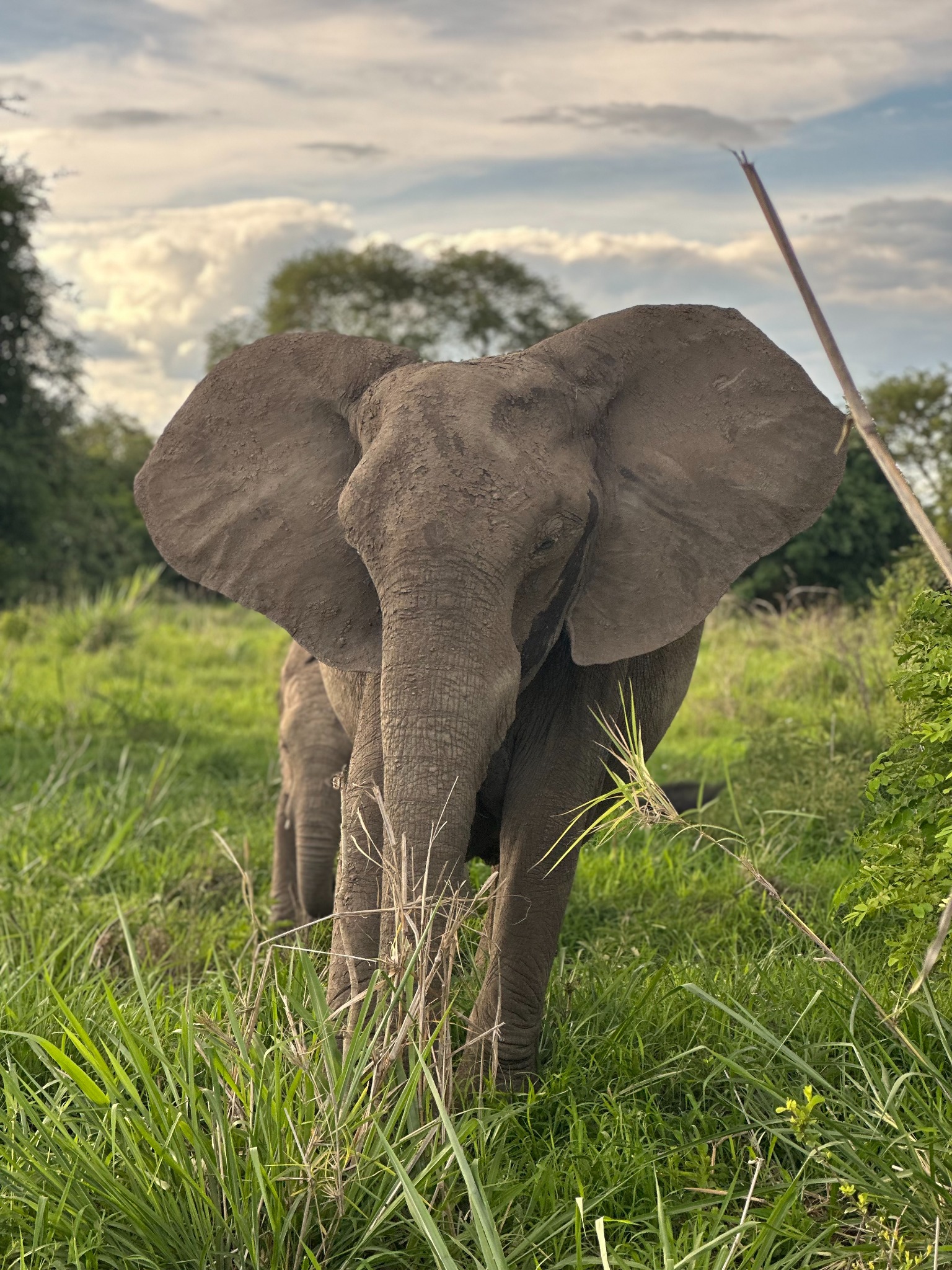
Where you can save without diminishing the experience
Choose one region instead of trying to see everything
If you are beginning in Dar es Salaam, ask whether Mikumi or Nyerere makes more sense for your schedule before automatically adding flights or a long transfer to the north. If the Serengeti or Ngorongoro is the reason you came to Tanzania, build the trip around that priority instead of adding parks simply because they are famous.
There is no single “best circuit.” The right choice depends on where you are starting, how many days you have and what you hope to see.
Share the vehicle with the right group
A small group can make a safari more affordable because travelers share some of the vehicle and guide costs. But cheaper is not automatically better. Ask how many people will be in the vehicle, whether everyone has a window seat and whether the group shares similar expectations.
A photographer who wants to wait quietly for an animal and a traveler trying to cover as much ground as possible may not enjoy the same pace. A good operator considers that before placing people together.
Be honest about the comfort you need
Camping can reduce the cost, but it should be chosen because you are comfortable with a simpler experience—not because someone has romanticized it for you. Ask about the campsite, bathroom arrangements, bedding, meals and what happens if the weather changes.
Sometimes a modest lodge or tented camp is worth the additional cost, especially after a long day on the road. The goal is not to choose the cheapest bed. It is to pay for the level of comfort that allows you to enjoy the safari.
Travel for the experience, not only the checklist
Wild animals do not follow an itinerary. No responsible guide can promise every animal, and seeing the “Big Five” should never be treated as a guarantee.
Some of the moments guests remember most are quieter: elephants crossing the road, a guide noticing tracks everyone else missed, the light changing at the end of the day, or sitting together after a long game drive. Leave room for those moments.
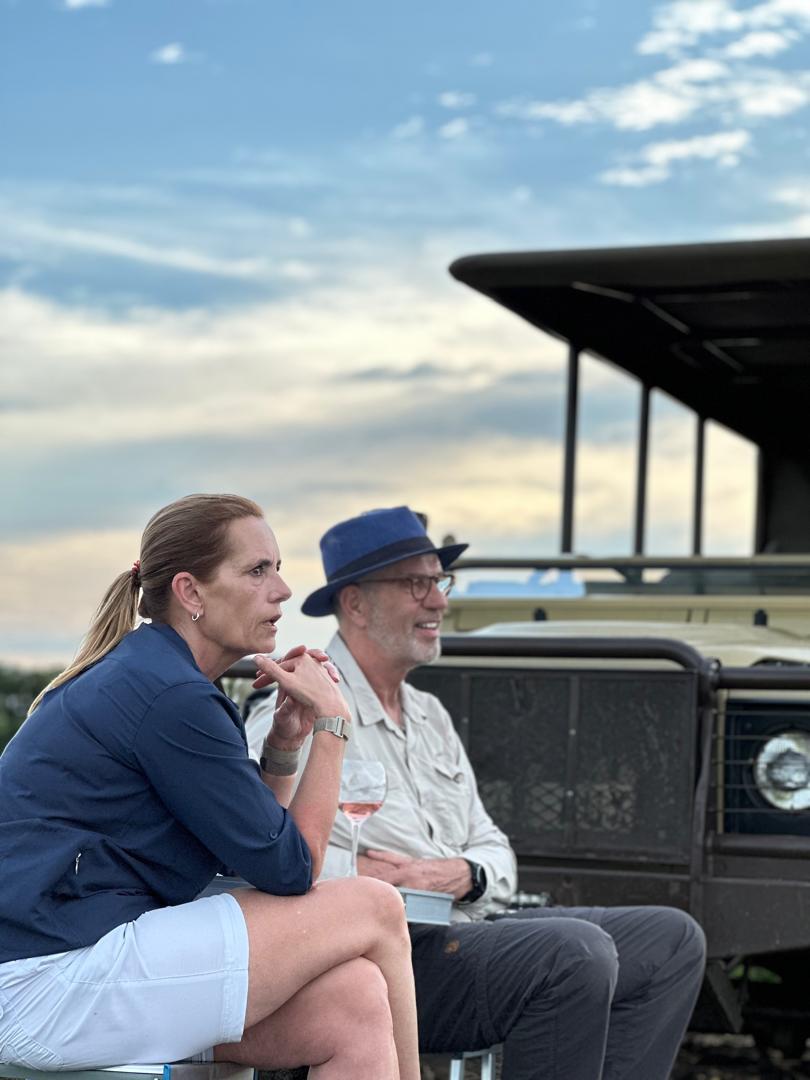
Questions to ask before you pay
A clear conversation before booking can prevent most unpleasant surprises. Ask the operator:
- Which parks and activities are included?
- Are all current park and conservation fees included?
- Is the safari private or shared, and how many guests will be in the vehicle?
- What type of accommodation is included each night?
- Which meals and drinks are covered?
- Who will be guiding the trip?
- What is excluded from the quoted price?
- What is the cancellation and refund policy?
- How will long transfers affect the time available inside the parks?
Ask for the answers in writing. A professional operator should be able to explain the itinerary and price without making you feel rushed or embarrassed for asking questions.
What a “budget safari” should never mean
It should not mean an overloaded vehicle, an exhausted guide, unsafe equipment, unpaid park fees or a price that changes after the trip begins. It should not depend on pressuring you to send money before you understand what you are buying.
Very low prices can hide compromises that are difficult to see from a social-media post. Compare what is included—not only the final number. If two quotes are far apart, ask why.
I also believe local ownership matters. Booking with a reputable Tanzanian operator keeps more of the value in the country and gives you direct access to the people responsible for your journey. “Local” alone is not a guarantee, but local knowledge paired with clear communication and responsible operations is meaningful.
Our honest advice
Start with the trip you can comfortably afford. You do not need to prove anything by choosing the longest itinerary or the fanciest lodge. Give yourself enough time to enjoy where you are, choose a guide you trust and understand the full price before paying.
Kibwana now has a dedicated home for his safari work at Gallivanters Tours & Safaris. If you are unsure which route fits your budget and schedule, you can ask for an honest conversation rather than beginning with a package.
You may also find our guide, Planning a Tanzania Safari: What We Tell Our Guests Before They Go, helpful as you decide what kind of experience you want.
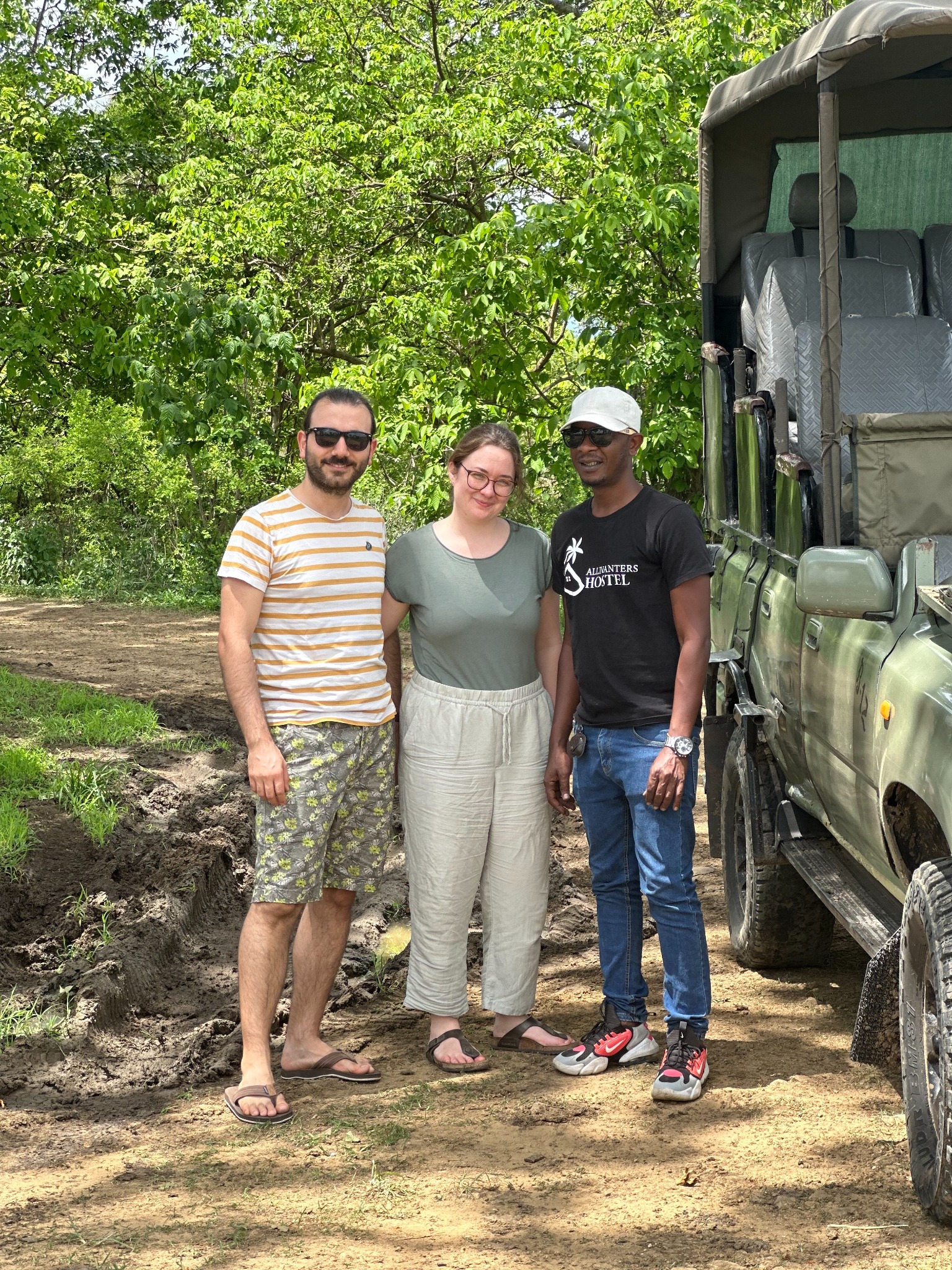
This article is based on our experience hosting international travelers and helping them plan Tanzania journeys. Park fees, routes and availability can change, so always request current information for your travel dates.
