
When Gallivanters Hostel was open in Masaki, some of my favorite conversations happened when travelers were sitting around trying to decide what to do next. They had arrived in Dar es Salaam with a rough idea—maybe Zanzibar, maybe a safari—but the moment they started searching, everything became confusing.
One website said they needed ten days. Another made it sound as if a Tanzania safari was only for luxury travelers. Someone else promised the Big Five in a single afternoon. Prices were everywhere, itineraries all looked the same, and many travelers did not know which questions they should be asking.
Kibwana and I have seen Tanzania from two different but complementary sides. I came to the country as a traveler and eventually built a life and business there. Kibwana is Tanzanian, has spent years guiding guests and understands the roads, distances, parks and little details that do not always appear in a glossy itinerary.
So this is not another “ultimate” list written from a desk. It is the conversation we would have with you if you were sitting with us, trying to plan your first safari.
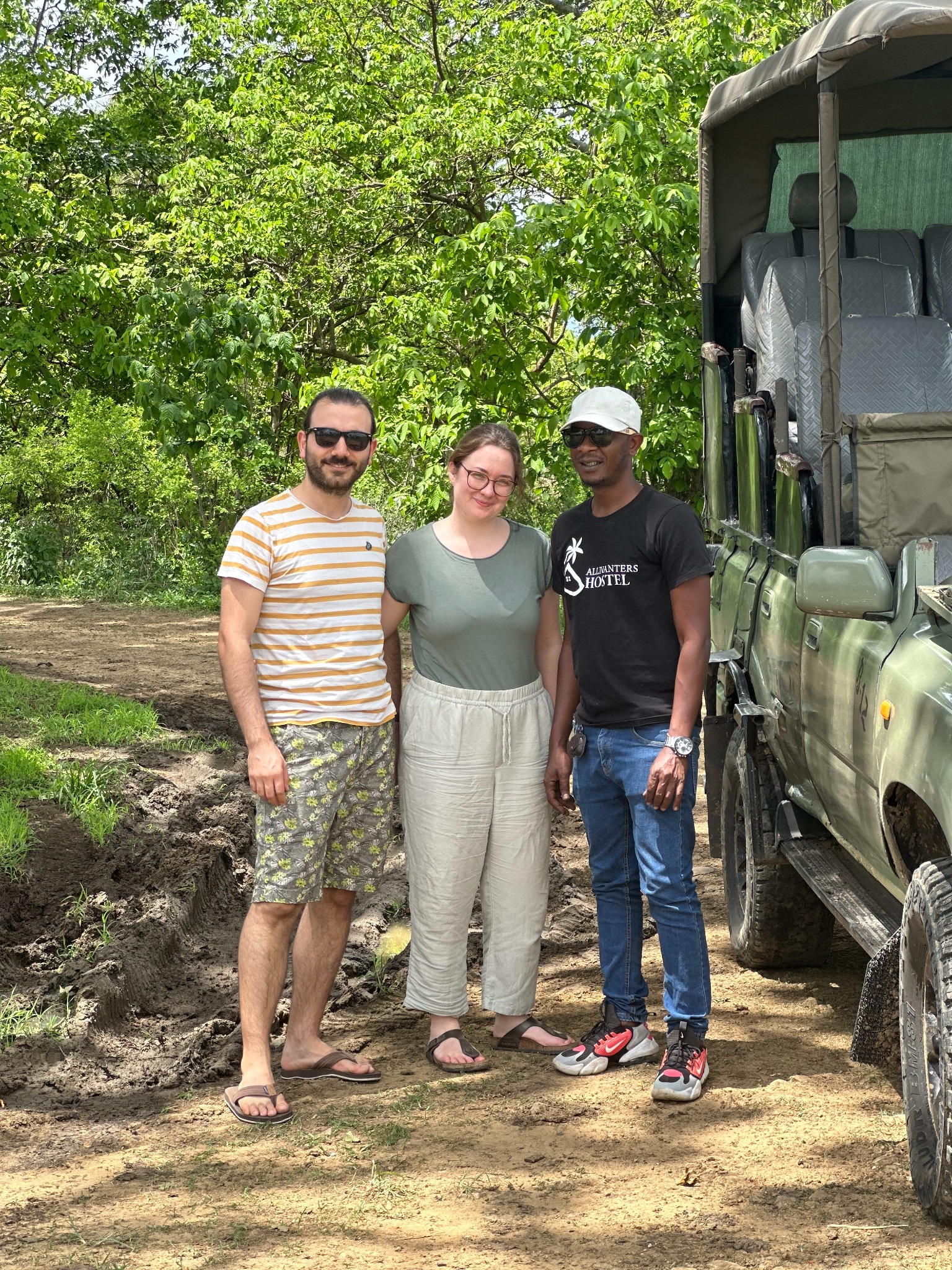
Kibwana with guests during a Tanzania safari. Photograph from our Gallivanters collection.
Begin with the feeling you want—not a list of parks
People often start by naming every famous destination they have seen online: Serengeti, Ngorongoro, Tarangire, Nyerere, Mikumi and Zanzibar. But a good safari is not about fitting the largest number of names into one trip.
Ask yourself what you actually want the days to feel like. Do you want the classic northern landscapes and a chance to experience the Serengeti? Do you prefer a quieter southern route that connects naturally with Dar es Salaam? Are you traveling with children, celebrating something, watching your budget or hoping for a slower private experience?
The answer changes the route. It also changes how much driving feels reasonable, what type of accommodation makes sense and whether a private or shared safari will suit you.
North and south are two different Tanzania experiences
The Northern Circuit is the Tanzania many people recognize immediately. It includes Serengeti, Ngorongoro, Tarangire and Lake Manyara, with most journeys beginning around Arusha. The landscapes are extraordinary and the wildlife experiences can be unforgettable, but the route can be busy during popular seasons and it usually requires more planning and a larger budget.
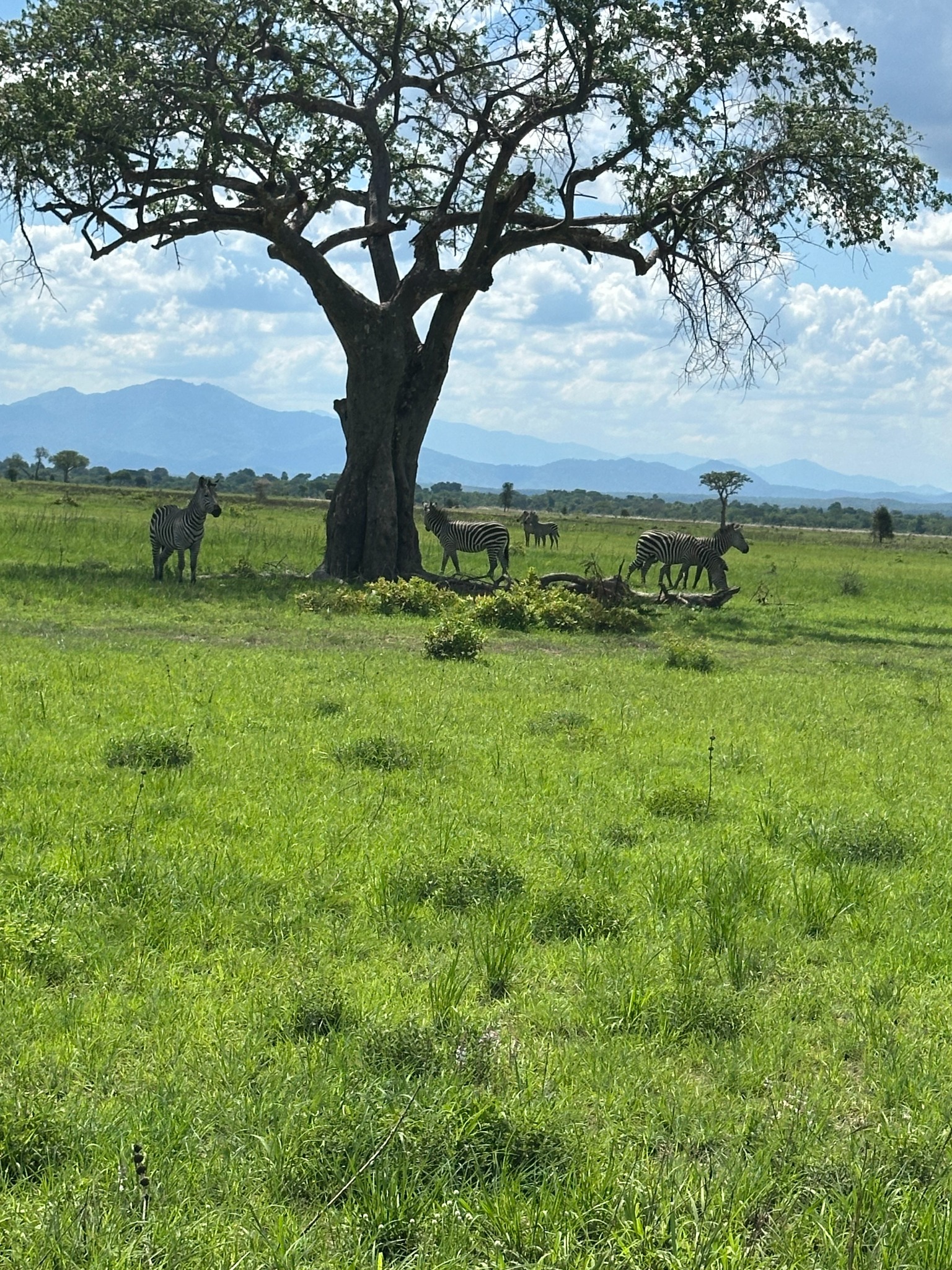
A quiet moment on safari, photographed by Kibwana.
The Southern Circuit feels different. Mikumi is practical for shorter trips from Dar es Salaam, while Nyerere offers a broader, wilder experience where the journey may include game drives and other activities depending on the itinerary and current park arrangements.
Neither route is automatically better. The north makes sense when those iconic parks are the heart of your dream. The south makes sense when you are already traveling through Dar es Salaam, want fewer complicated transfers or prefer a route that can flow naturally into the coast and Zanzibar.
If you are deciding between individual parks, our existing guide comparing Serengeti and Ngorongoro can help you understand how those experiences differ.
Give Tanzania enough time
One of the easiest ways to make a safari exhausting is to underestimate the distance between places. Tanzania is a large country. A route that looks simple on a map can involve hours on the road, changing conditions and early mornings.
I understand the temptation to fit everything in. International travel is expensive and many people do not know when they will return. But an itinerary packed with constant transfers can leave you remembering the vehicle more than the destination.
For a shorter visit, choose a focused route. For a longer trip, build in breathing room. A quiet evening, a slow meal or a morning when you are not repacking can be part of the experience too.
The safari does not perform on command
Wildlife is wild. That sounds obvious, but online marketing sometimes creates the impression that every animal will arrive in the correct place for your photograph.
A knowledgeable guide can read tracks, understand animal behavior, communicate with other guides and position the vehicle respectfully. Still, no ethical operator should guarantee a particular sighting. Some of the best safari moments happen while you are waiting, watching and noticing what you would have passed if the day were being rushed.
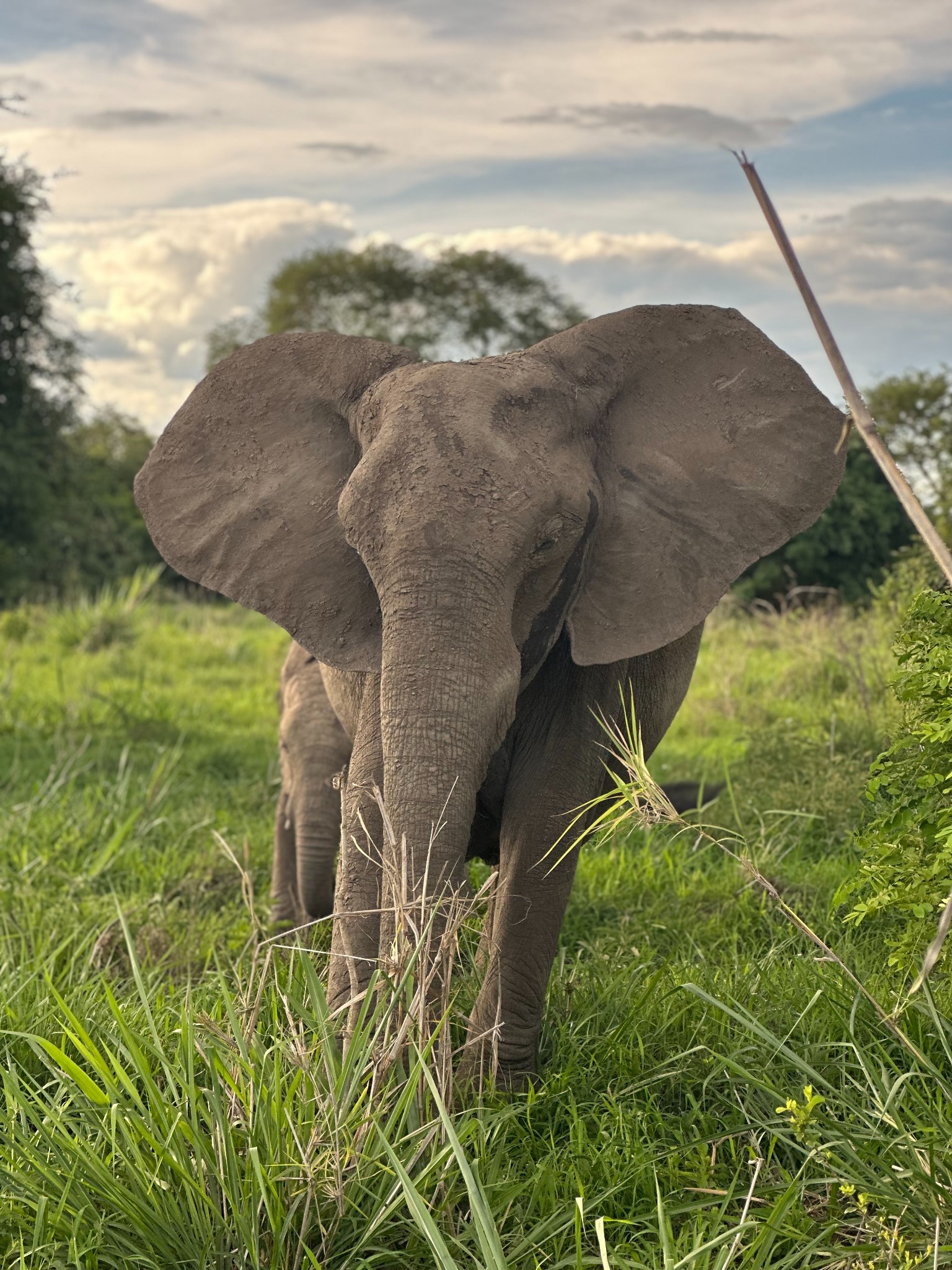
A young elephant photographed by Kibwana. These are the moments no itinerary can manufacture.
You may remember the first lion you see. You may also remember a herd moving quietly across the road, the birds your guide taught you to recognize, or the way the entire landscape changed as the sun went down.
Your guide matters as much as the itinerary
A safari guide is not simply a driver. This is the person setting the rhythm of your days, interpreting what you see, managing the route and helping you feel comfortable in an unfamiliar environment.
Ask who will guide the trip and whether the company uses its own guides or passes the booking elsewhere. Ask how communication works before arrival, what happens when plans change and who is responsible for you on the ground.
The relationship matters even more on a private safari because you will spend many hours together. A good guide knows when to explain, when to wait, when to adjust and when to let the landscape speak for itself.
Understand what the price actually includes
Two safari quotations can look similar while covering very different things. Before comparing the final number, look at the details: park fees, vehicle, fuel, guide, accommodation, meals, drinking water, airport transfers, domestic flights and any activities listed in the itinerary.
Ask about the room category and whether the rate assumes two people sharing. Confirm the deposit, payment schedule and cancellation terms. If something important is not written into the quotation, ask for it to be clarified before sending money.
Budget does not have to mean careless or unsafe. It may mean a shorter route, simpler accommodation or traveling during a different period. Our Tanzania safari cost guide explains the main expenses that shape a quotation.
Pack for the real trip you are taking
Most people need less safari clothing than online packing lists suggest. Comfortable neutral-colored clothes, closed shoes, sun protection, a light layer for cool mornings, personal medication, insect repellent and reliable charging equipment cover much of what travelers actually use.
If your route includes a small aircraft, confirm luggage restrictions before choosing your bag. A soft-sided bag is often easier to manage than a large hard suitcase, but the correct allowance depends on the carrier and ticket.
Use our Tanzania safari packing list as a starting point, then remove anything that does not match your particular itinerary. A packing list should make travel easier, not become another shopping assignment.
Leave space for the moments between the animals
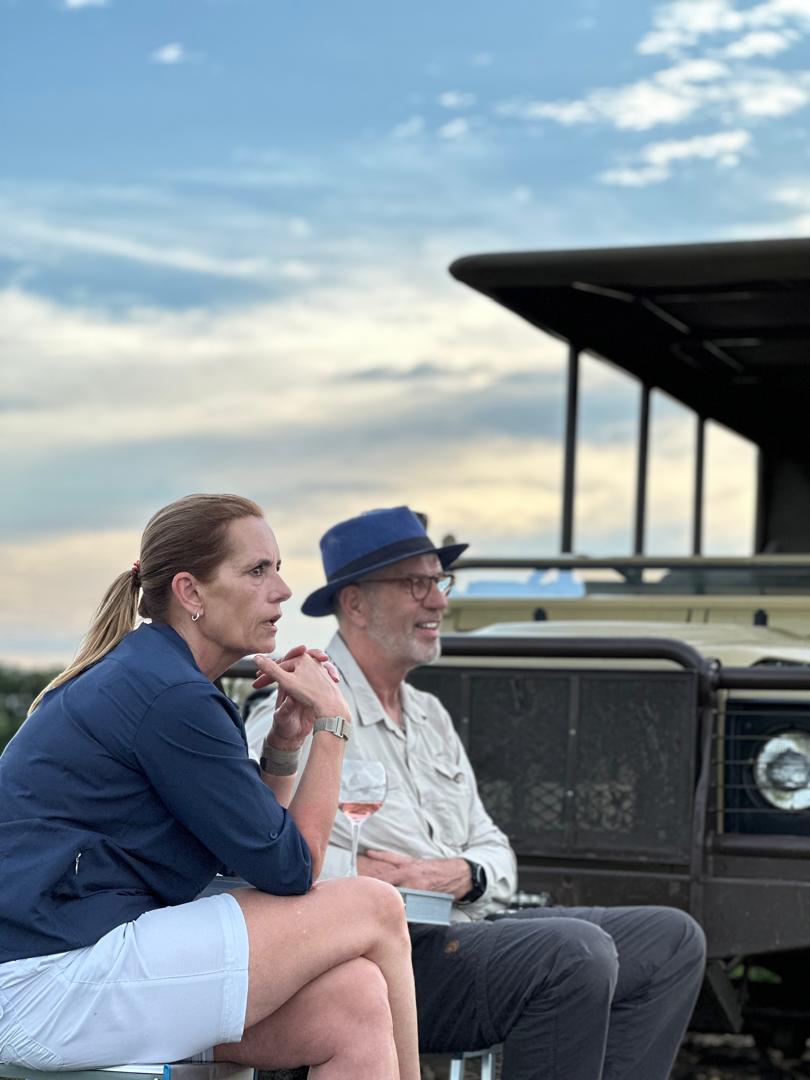
A safari is also the conversations, pauses and shared moments between game drives.
This is the part I think generic safari content misses. Tanzania is not only a collection of animals and park gates. It is the changing landscape outside the window, the food, the people you meet, the stories your guide tells and the quiet you feel when the day begins before everyone else is awake.
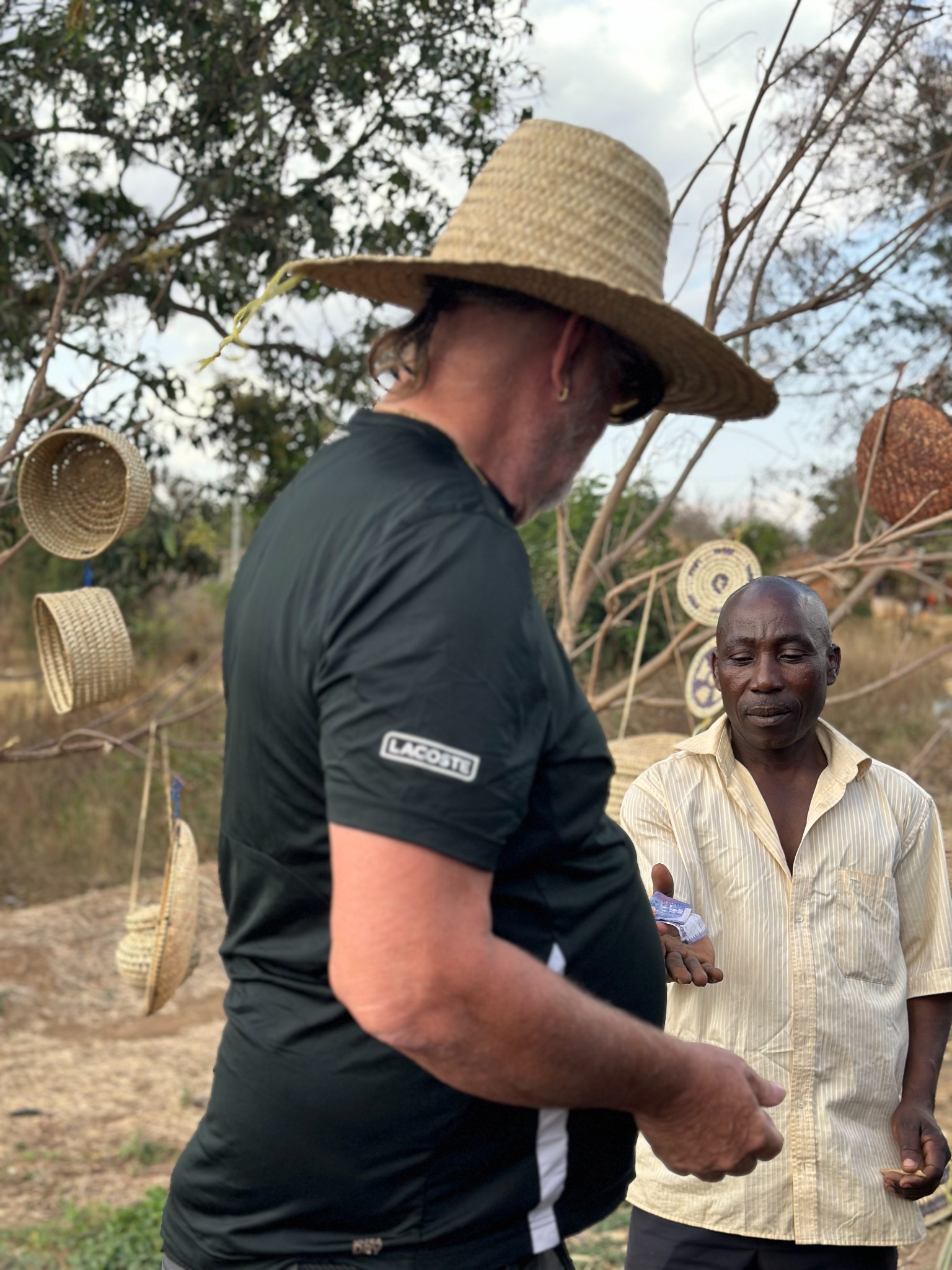
When I think about the kind of trips Kibwana and I want Gallivanters Tours and Safaris to create, I do not want guests to feel processed through an itinerary. I want the trip to feel personal. I want people to understand where they are—not simply collect proof that they were there.
Should you add Zanzibar?
For many travelers, safari first and Zanzibar afterward creates a natural rhythm. The safari days can be early, active and dusty; the island gives you time to slow down. Stone Town, the coast and the villages beyond the resort areas also add history and culture to a trip that might otherwise focus entirely on wildlife.
But Zanzibar should not be treated as a single interchangeable beach. Decide whether you want history, local life, swimming, diving, quiet or nightlife, because different areas create different experiences. Build the island into the journey intentionally instead of attaching it as an afterthought.
Before you request a safari quotation
You do not need to know every detail, but it helps to share your approximate dates, number of travelers, total number of days, arrival point, preferred comfort level and realistic budget range. Mention any children, mobility concerns, dietary needs or special occasion.
Most importantly, say what matters to you. A thoughtful operator can build a much better trip from “we want a quiet family experience with time to rest” than from “send me your standard package.”
Let’s plan your Tanzania journey thoughtfully
Gallivanters Tours and Safaris is being built from Kibwana’s local guiding experience and the years we spent welcoming international travelers through Gallivanters Hostel. Tell us what you want the trip to feel like, and we will help you shape a route around your time, interests and travel style.
Written by Tamara Ramsay, with local safari insight from Kibwana Juma Ramadhan.
