Gallivanters Hostel did not begin with a perfect budget or a straight path. The renovation took longer and cost more than we expected, and two Airbnb apartments became the bridge that kept the project moving.
The apartment that brought me to Mikocheni
When I prepared to move to Tanzania, I asked Kibwana to find an apartment for my mother and me. I wanted a furnished home with modern amenities, restaurants and a supermarket nearby, and a location where we could walk safely.
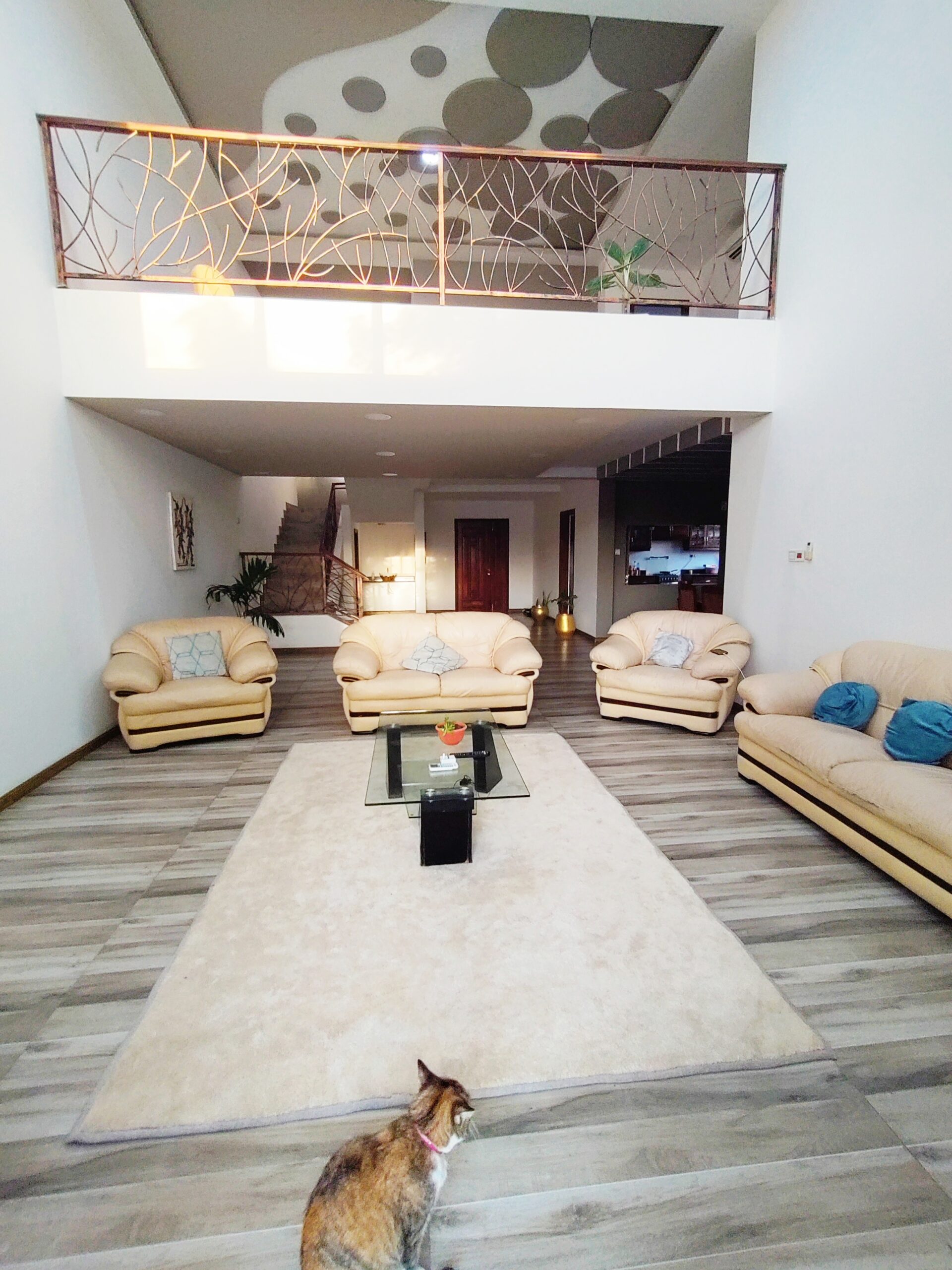
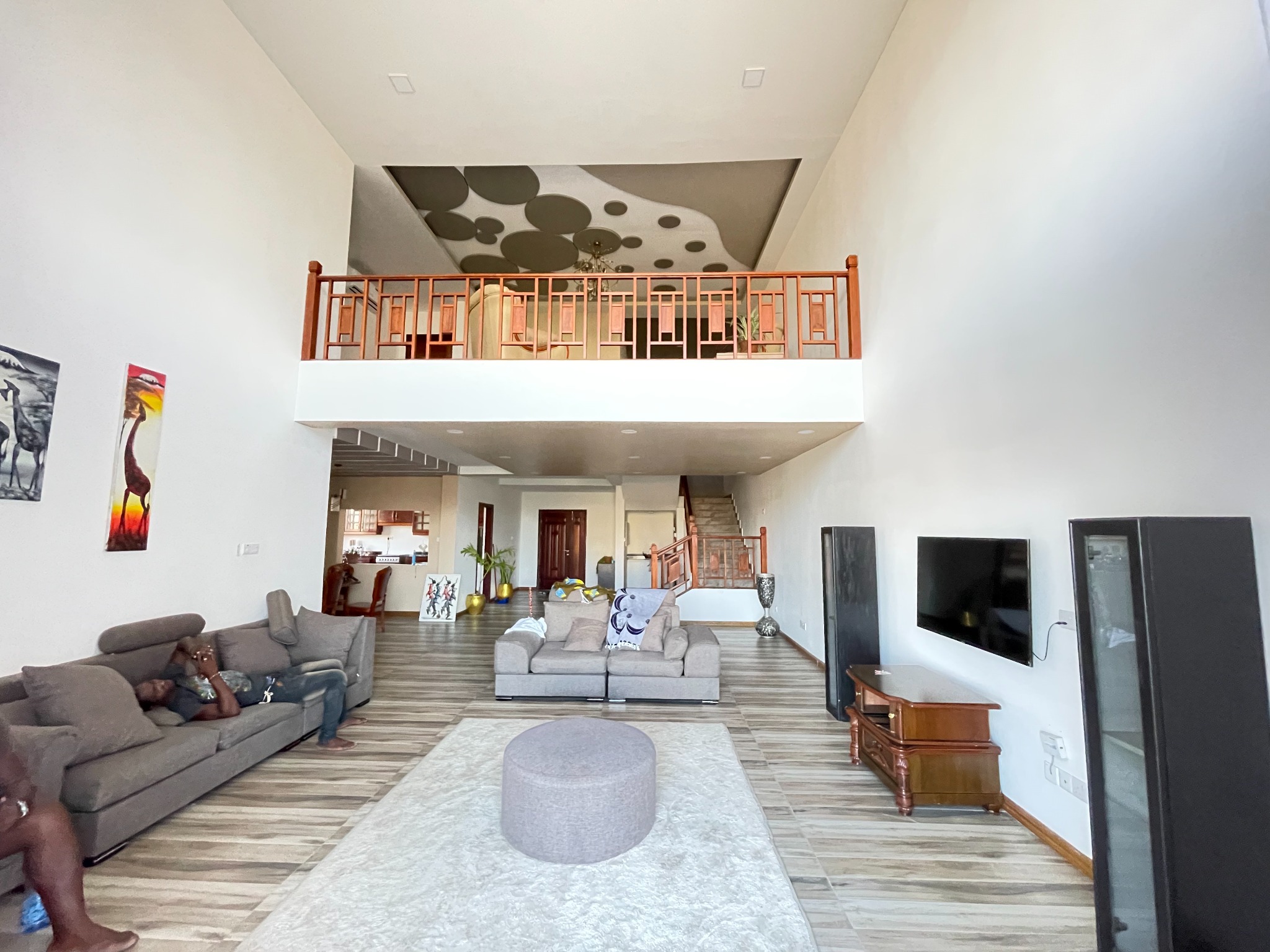
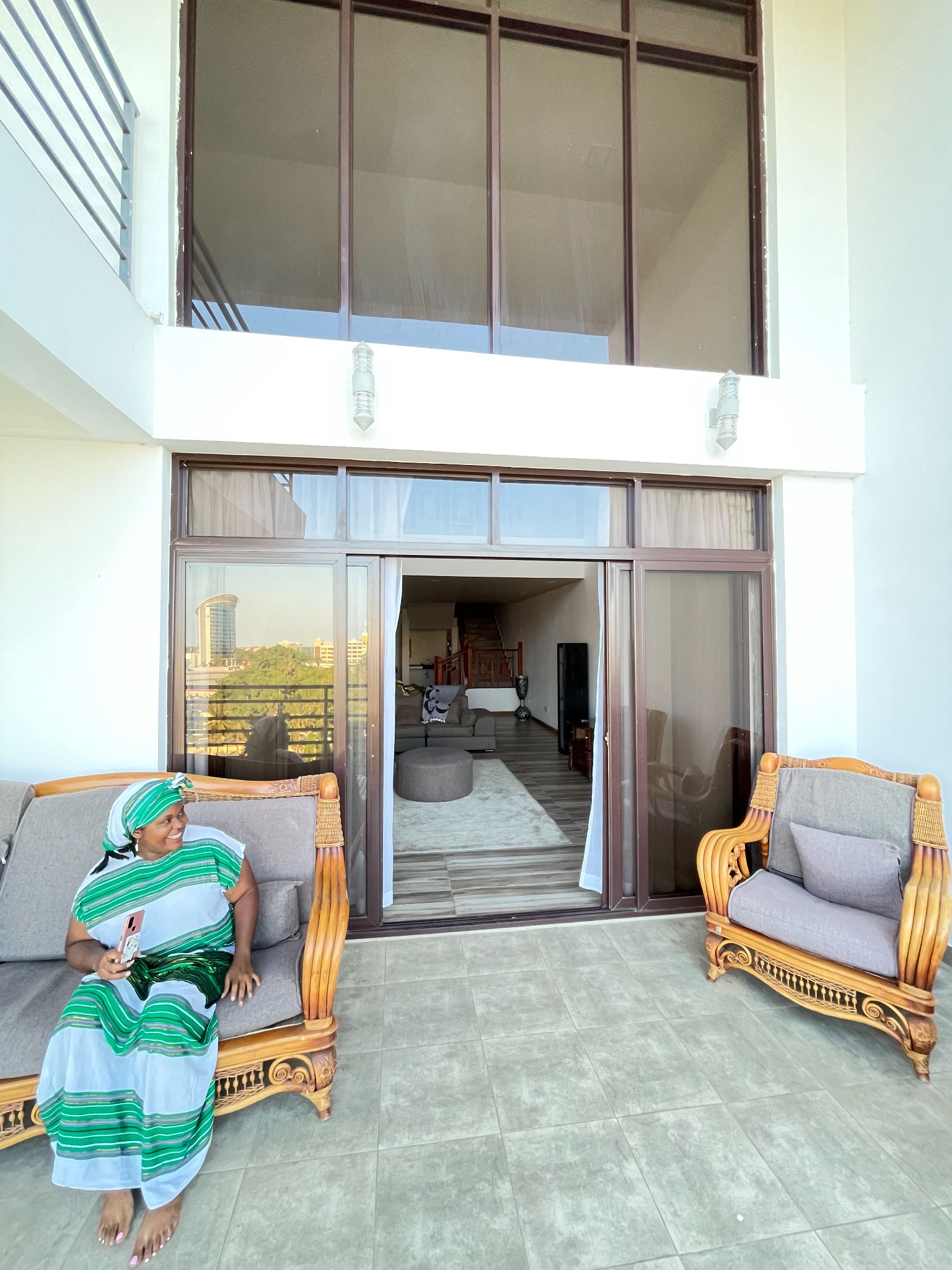
He found a spacious four-bedroom apartment in Mikocheni, close to Shoppers and a short bajaji ride from Palm Village. It was larger than I had requested, but it was comfortable and in an excellent location.
I also negotiated the lease differently. In Tanzania, landlords commonly request six months or even a year of rent in advance. Because my visa required me to travel in and out every three months, I arranged to pay rent quarterly. That decision later made it easier for us to experiment without committing all our cash at once.
Kibwana’s eighth-floor investment
While the hostel renovation was underway, the property manager mentioned that a furnished apartment on the eighth floor was becoming available. Kibwana took it using the same three-month payment arrangement. That apartment was entirely his investment.
He already understood Airbnb. He had hosted shared accommodation and experiences in Tanzania for years. But with the Gallivanters renovation demanding his attention, he handed the apartment to me to manage.
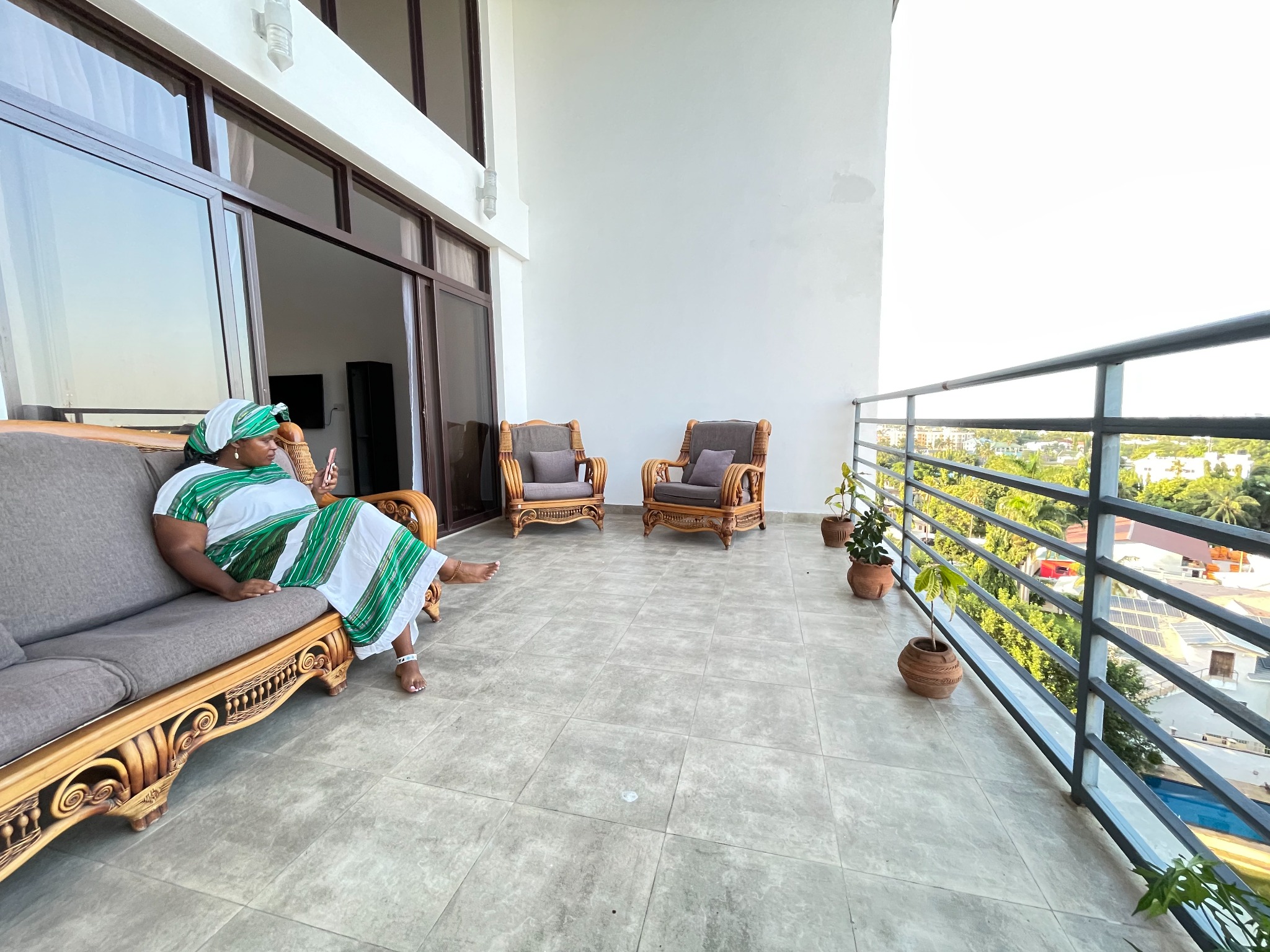
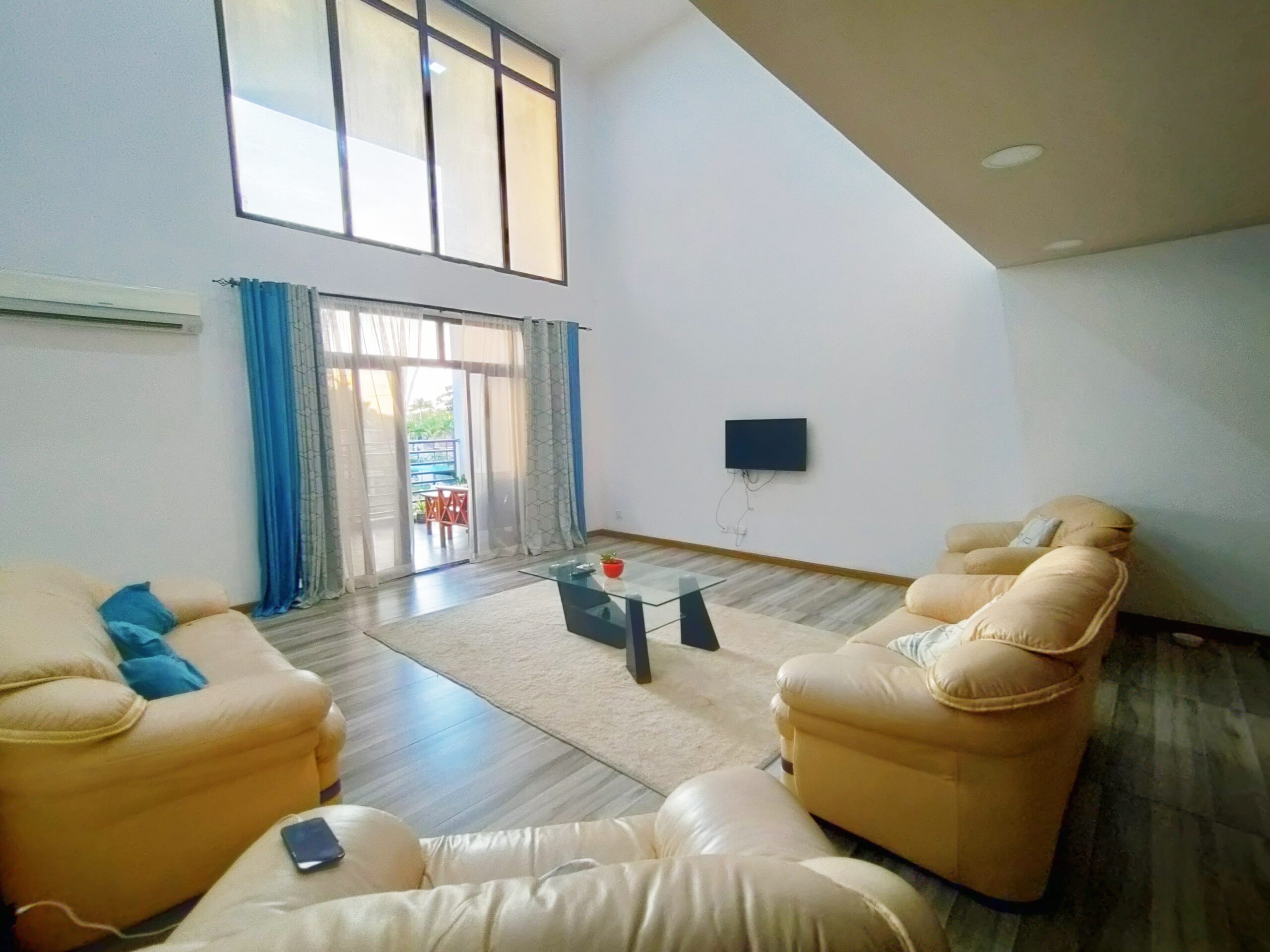
We turned its four bedrooms into individually bookable rooms in a shared luxury apartment. Kibwana took the initial photographs and created the listing. I brought my administrative experience, customer-service standards and attention to detail to the daily operation.
The response was immediate. We reached roughly 50 percent occupancy in the first month, and after that the apartment was regularly full. People sometimes knocked on my door asking whether a room was available.
Turning my own apartment into a shared stay
When my mother returned to the United States, most of the bedrooms in my own apartment were empty. We listed those rooms as well. They also stayed occupied, and several guests became long-term residents who remained for much of the year.
We provided clean rooms, fresh linens and towels, housekeeping and help arranging meals when guests needed it. Because I lived on-site, problems could be solved quickly. The apartments introduced us to digital nomads, long-stay visitors and independent travelers before the hostel had even opened.
The cash flow that kept the renovation moving
Most importantly, the income helped fund the hostel renovation. The original renovation capital had begun to run low as hidden property problems appeared and the timeline stretched. Revenue from the apartments helped pay for the work that still had to be done at Gallivanters.
The Airbnbs gave us more than cash flow. They were our first hospitality classroom. We learned what travelers asked for, what made them comfortable, why fast communication mattered and how much trust guests placed in a host who was present and responsive.
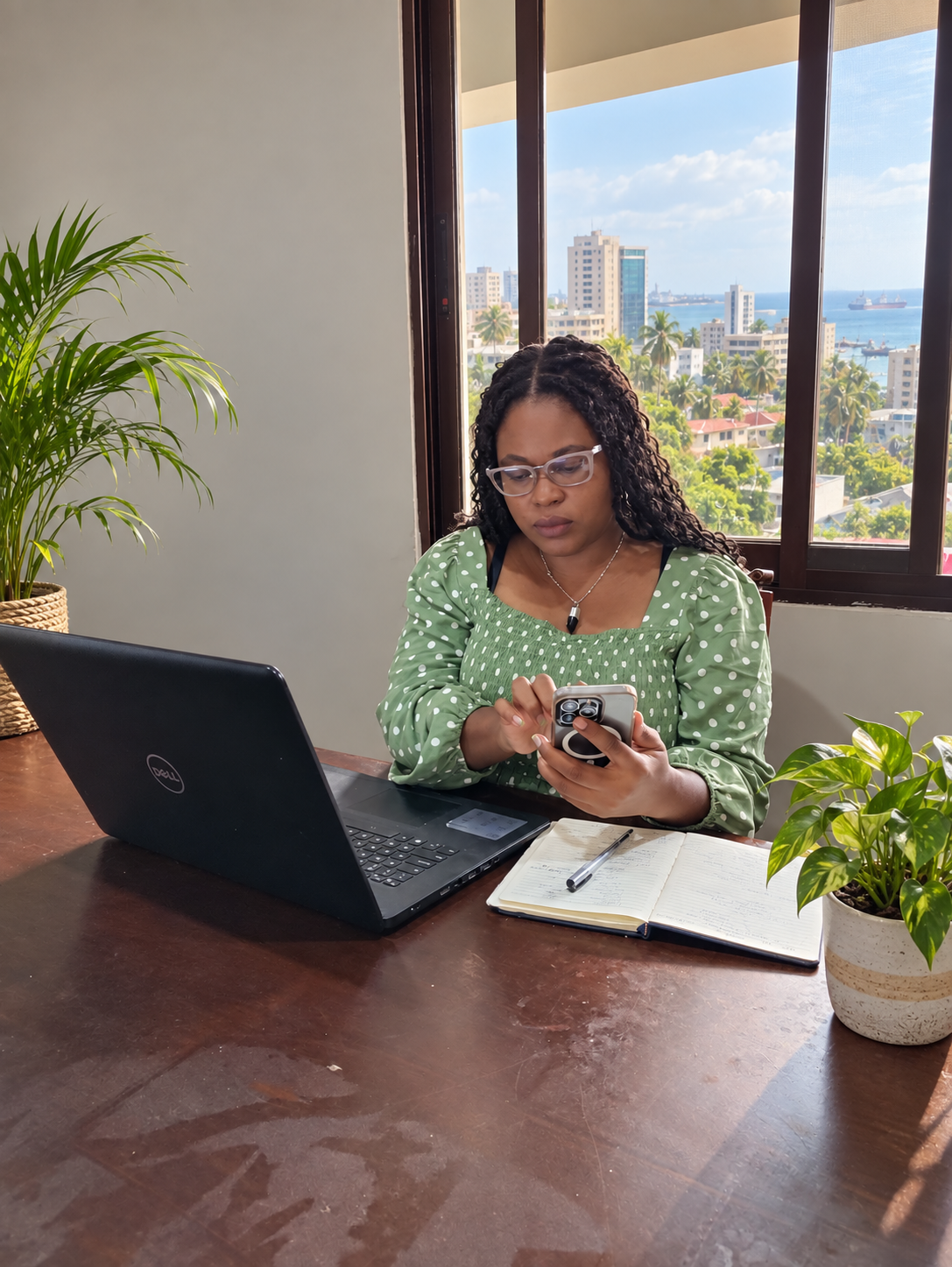
Eventually, managing the apartments while building the hostel stretched us too thin. We had invested too much in Gallivanters not to give it our full attention, so we shifted our energy back to the hostel.
But without those two apartments, the Gallivanters story might have unfolded very differently. One was the home I had chosen for my family. The other was Kibwana’s investment. Together, they became the unexpected engine that helped turn an abandoned property into a place where travelers from around the world could feel at home.
