
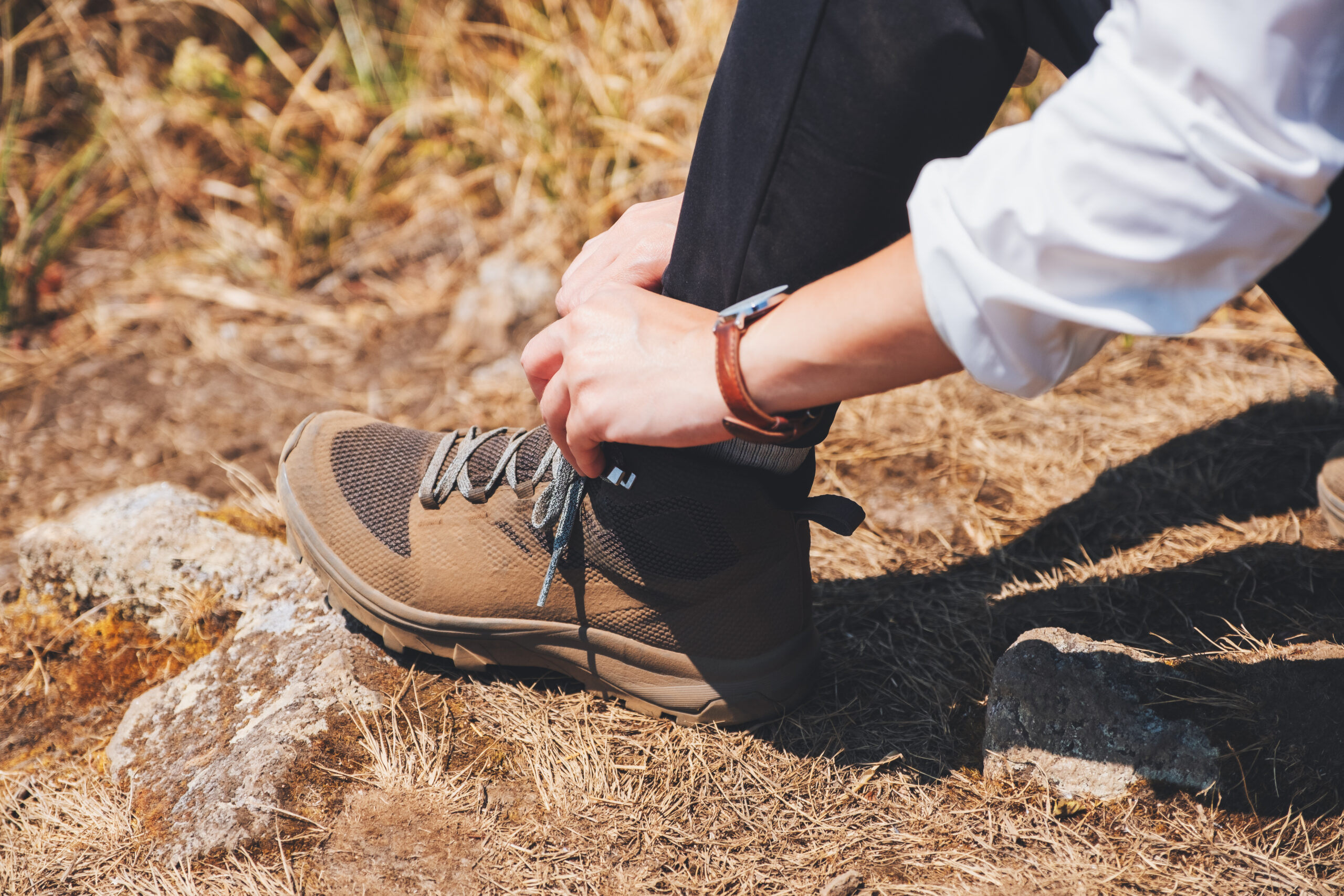
At one point during our Kilimanjaro conversation, comfortable trousers, hiking boots and a light jacket sounded like a fairly straightforward packing list. Then I remembered a traveler we had met who described a frightening foot injury after being poorly prepared for the cold. It brought me back to the question I should have asked first: prepared for which part of the mountain?
I have not climbed Kilimanjaro, and I am not going to present my Tanzania wardrobe as summit equipment. This is the packing framework I would take to a specialist operator for a proper gear check, built around the questions Kibwana and I discussed.
Some links are affiliate links. As an Amazon Associate I earn from qualifying purchases, at no extra cost to you. Recommendations below are starting points to compare, not a claim that I have personally tested every item.
Separate your Tanzania clothes from your mountain kit
A dress for Dar, sandals for the coast and a light rain layer can belong in the same holiday bag as your mountain trip. They do not replace the equipment needed for cold, exposed conditions. Pack for changing conditions and the full summit itinerary, not just the weather where you start.
For everyday travel, use my Tanzania packing article. Keep the list below separate until your operator has checked it.
Build a complete clothing system
- Moisture-managing base layers for your upper and lower body.
- Insulating mid-layers and a suitably warm insulated jacket.
- Waterproof, wind-resistant outer jacket and trousers appropriate to the itinerary.
- Comfortable walking trousers and enough dry clothing for camp.
- Warm hat, neck protection and insulated gloves or mittens, with lighter gloves as appropriate.
- Suitable hiking boots and socks, tested together before travel; gaiters if your operator recommends them.
- Sun hat, suitable sunglasses and sunscreen.
Ask the operator about the conditions and temperature rating their equipment list is designed for. A lightweight poncho from a general travel list is not automatically an appropriate mountain shell. Warm gloves and an insulated jacket should not be left to a casual “if you feel like it” decision.
Boots, socks and the small things that become big things
Wear your intended footwear on practice walks, with the socks you plan to bring. Pay attention to pressure points and wet-weather comfort. The merino-blend hiking socks in our affiliate library are one option to compare, not a guarantee of warmth or blister prevention for every person.
What goes in the daypack?
Agree a list with your guide, usually covering water, accessible layers, snacks, sun protection, personal medication and the items you need between camps. The small crossbody daypack in our general travel library is useful for some city outings; I would not present it as a Kilimanjaro trekking pack. Choose capacity and fit around the operator’s actual requirements.
If you use a hydration bladder, check how to prevent freezing and which backup bottles the operator recommends. Pack the sunscreen you intend to use where you can actually reach it.
Poles, lighting and power
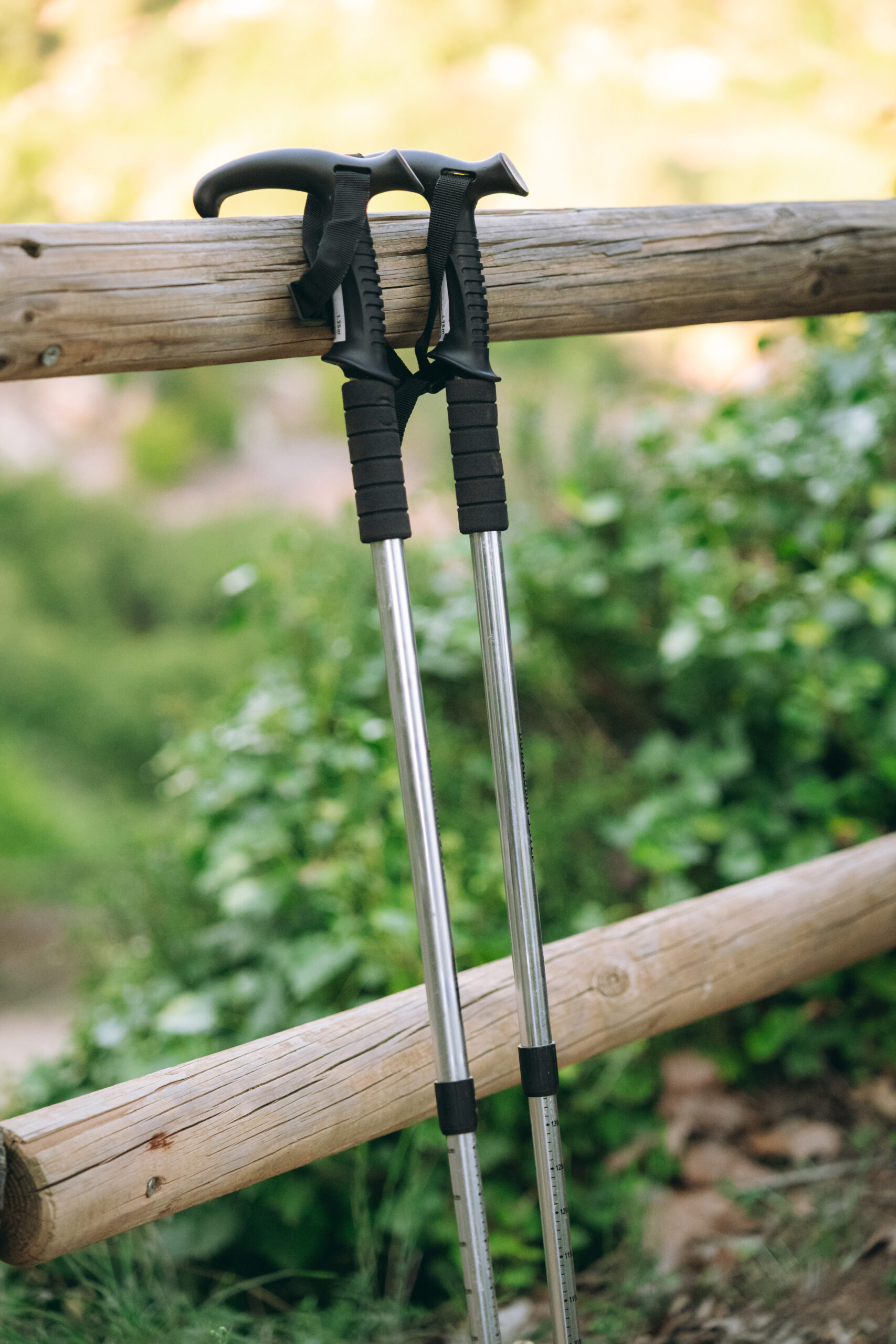
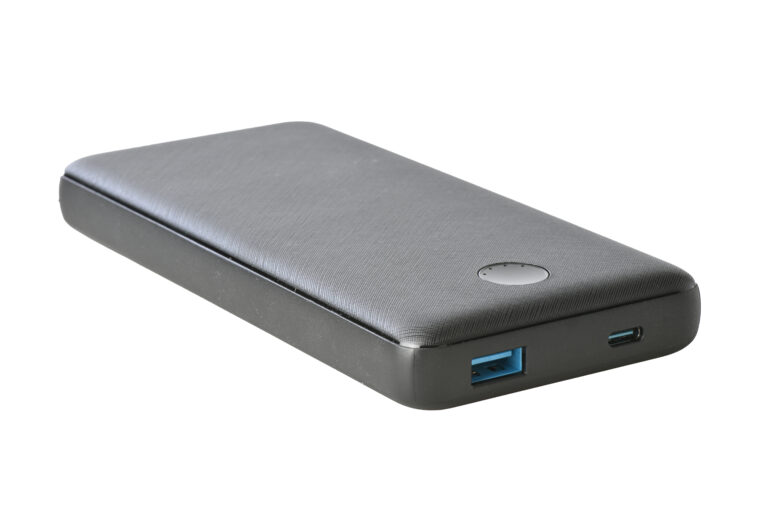
Consider adjustable trekking poles if they suit you, and practise before you leave. Ask your operator to check the headlamp option in our library for the planned night walking: runtime, battery type, cold-weather performance and a backup matter more than a bright product description. These affiliate examples have not been field-tested by us on a summit climb.
What to bring, what to rent and what to ask about
Before buying everything, get a written list of what is supplied. Ask specifically about the tent or hut booking, sleeping bag and comfort rating, sleeping mat, insulated jacket rental, toilet arrangements and luggage limits. Personal gear is not automatically included because porters carry shared equipment.
A useful rental saves baggage and expense only if it fits, is available and is suitable for the conditions. Ask to inspect it before departure. Keep an itemized bring/rent/provided list so you do not arrive with two of one thing and none of another.

The final check happens before the mountain
Pack and unpack once at home. Test fastenings, lights, water containers and your layering system. Then use the operator’s pre-climb check to resolve anything uncertain. Kilimanjaro is not the place to discover that your boots rub or your warm jacket never made it into the bag.
