
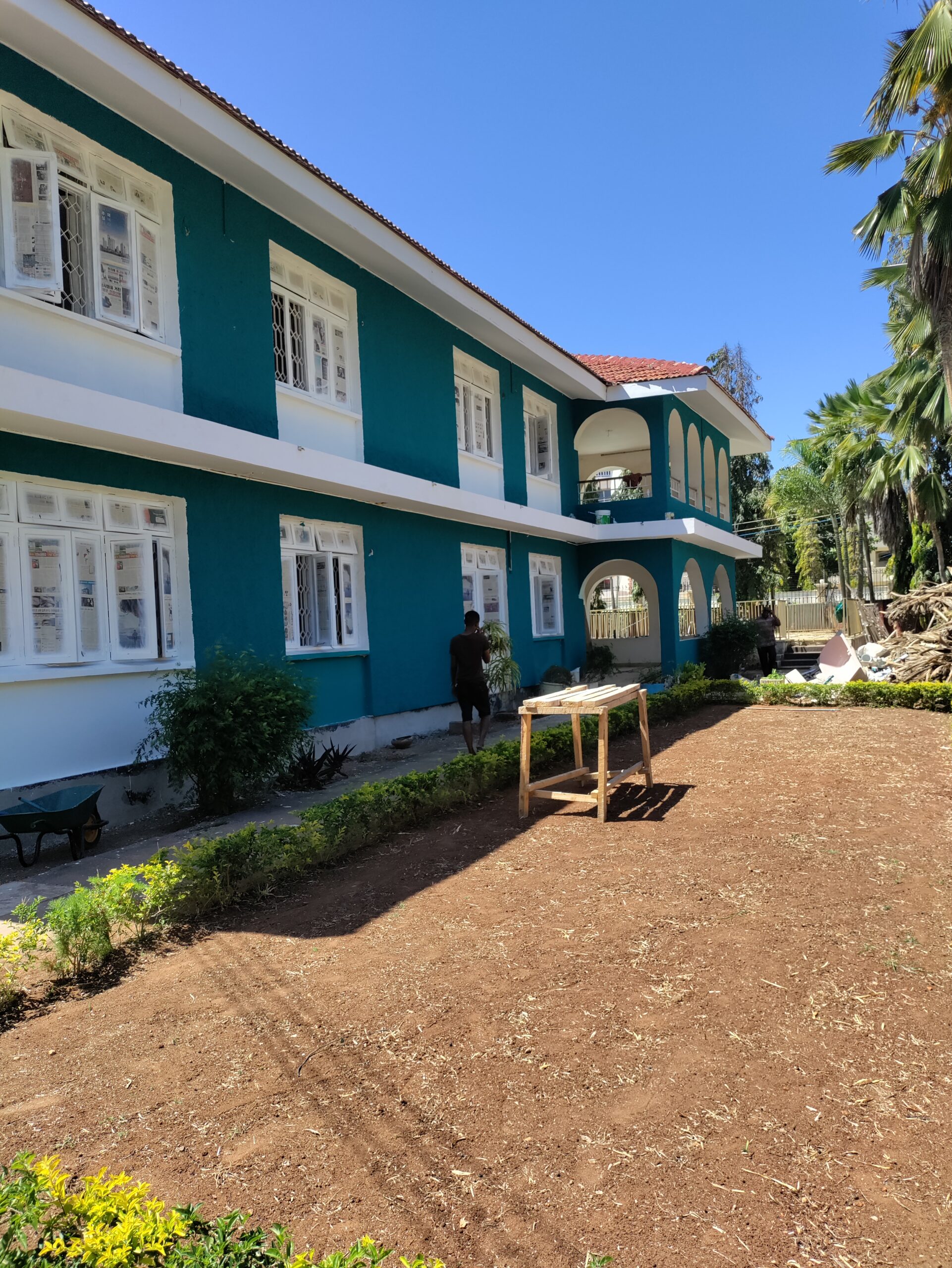
When we began renovating Gallivanters Hostel, the property felt lifeless. It had been empty for years, and nearly everything needed attention: the pool, grounds, bathrooms, roof, drainage and rooms.

In that first phase, Kibwana’s friends were genuinely valuable. They showed up as fundis—skilled workers—and helped repair the property, plant grass and revive a place that had looked abandoned. When you are working with a limited budget and trying to solve several problems at once, people you know can make the impossible feel possible.
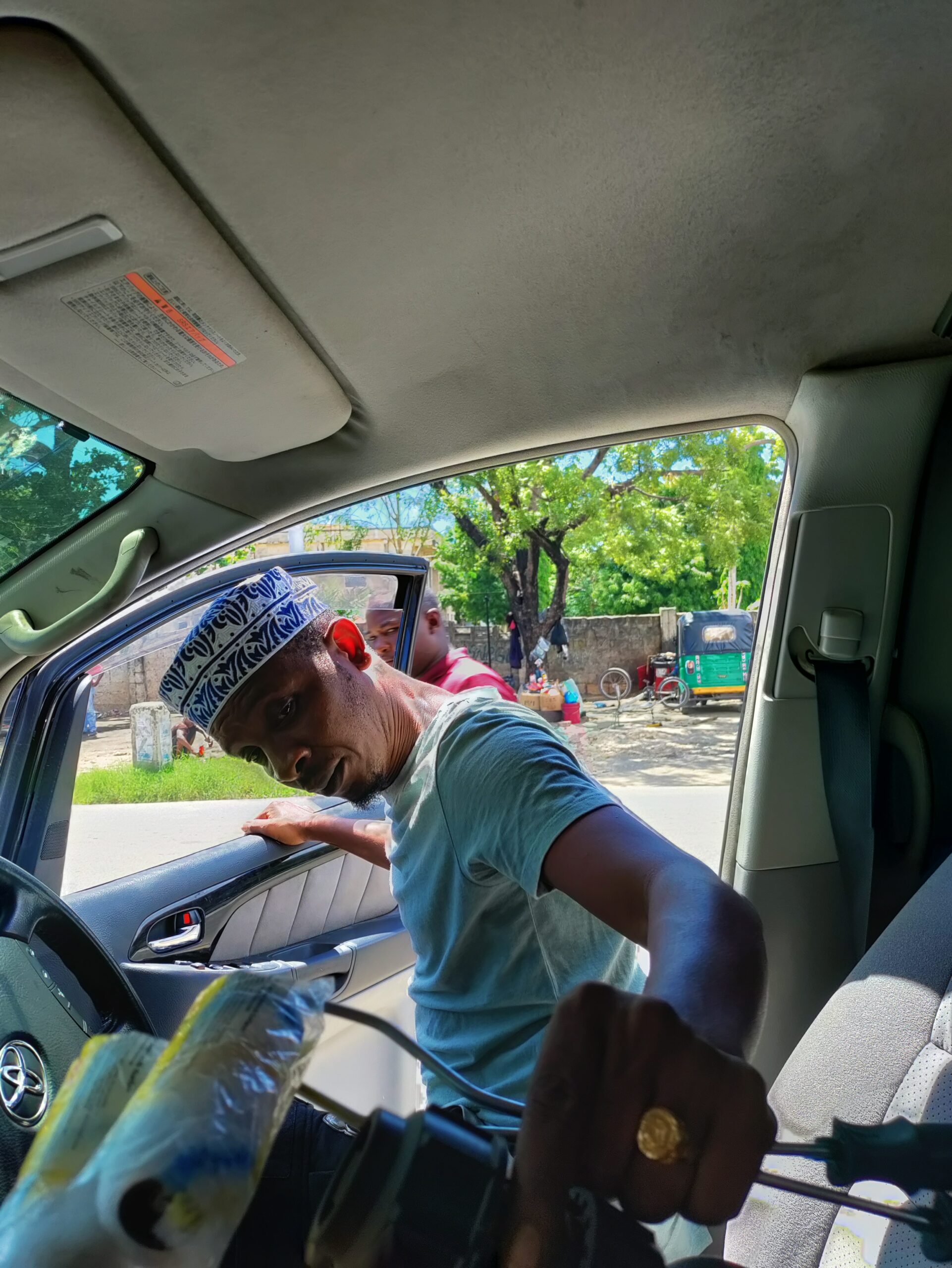
Renovation help is not hotel staffing
The problem came when the project moved from renovation to hospitality.
Construction help and hotel operations are not the same job. Once we were preparing to welcome paying guests, we needed reception, housekeeping, kitchen support, management, schedules, standards and accountability. We needed staff members who understood that even on a quiet day, a guest could arrive at any moment.
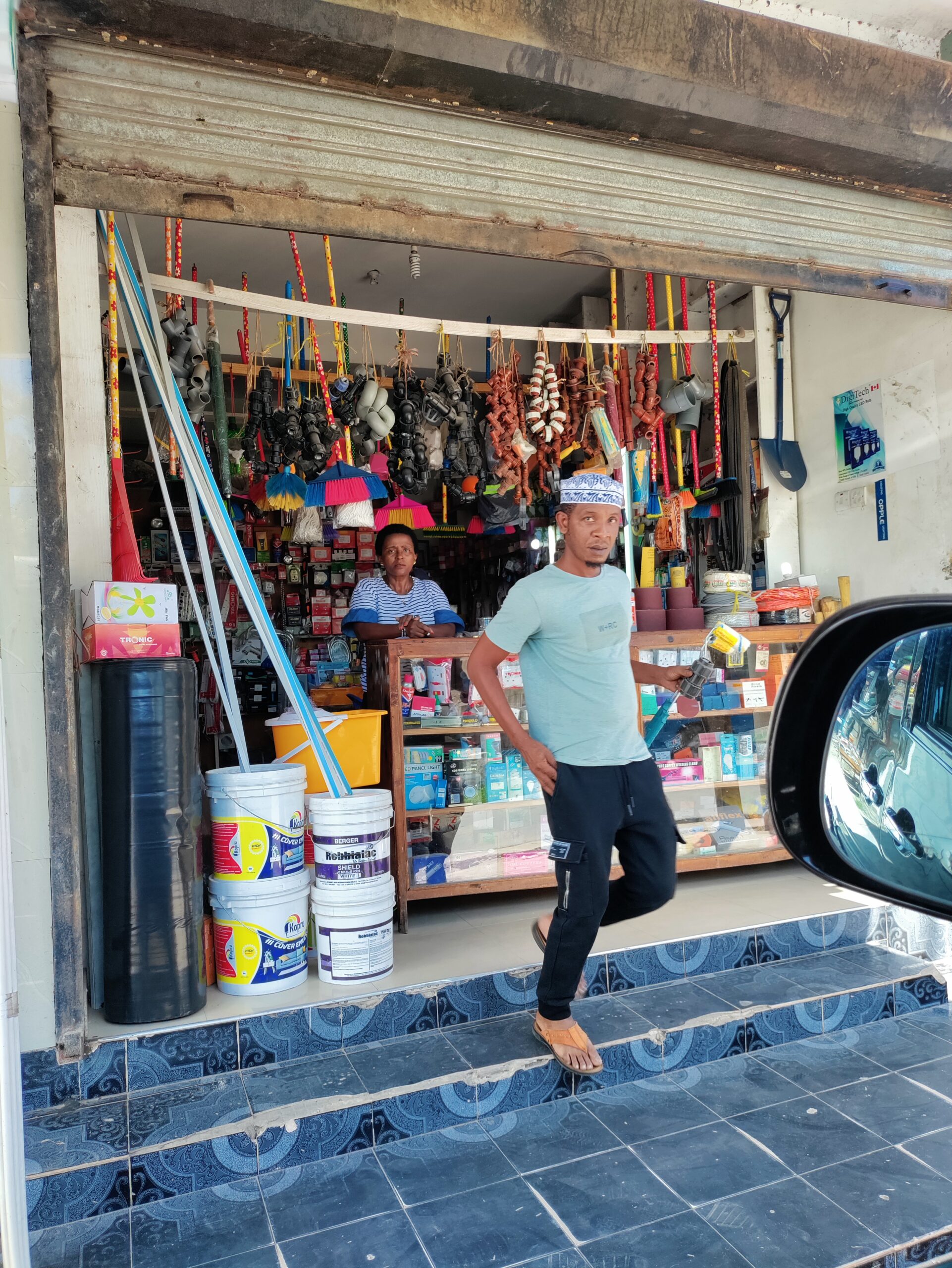
Instead, the boundaries remained blurry. Some people had job titles because they were friends, not because the role had been clearly defined. Staff could be difficult to find because they were sleeping under bunk beds, on benches or on an upstairs couch. Men walked around shirtless, leaving guests unsure whether they were employees or fellow travelers. Personal laundry appeared in guest bathrooms. Corrections that should have been routine became personal conflicts.
The issue was not that every local hire was unprofessional. We had excellent Tanzanian staff members who worked hard and cared deeply about our guests. The real mistake was hiring without a consistent process and then allowing friendship, sympathy and personal obligations to interfere with discipline.
Two management styles under one roof
Kibwana and I also had different management instincts. I was used to written guidelines, standard operating procedures, defined breaks, meeting minutes and clear responsibility for meals and personal needs. He was used to a more communal approach in which work and friendship often overlapped.
Neither perspective can be reduced to an entire country or culture. These were our individual experiences and habits. But inside our business, the mismatch created confusion. We needed one shared standard that guests and staff could understand.

What we would do differently
Eventually we had to admit that the informal system was costing us. It affected the condition of the property, the guest experience and our Booking.com reviews. We had invested too much money and energy to operate the hostel like a gathering of friends.
We began phasing people out and rebuilding the team. Some hires worked well; others did not. In hindsight, we should have used a thoroughly vetted hospitality agency and verified the agency itself—its references, recruitment methods and the qualifications of the people it supplied.
- A person who is helpful during renovation is not automatically qualified for hotel operations.
- Every role needs a written job description and a clear supervisor.
- Friendship cannot replace performance standards.
- Sympathy may influence how you treat people, but it cannot be the basis of hiring, discipline or firing.
- Professional expectations should be explained before the first shift, not after problems appear.

Hiring friends may feel easier in the beginning, especially when money is tight. But without firm boundaries, the hidden cost appears later—in lost time, damaged relationships, poor reviews and exhausted owners.
Gallivanters taught us that hospitality can be warm, communal and personal while still being professional. In fact, structure is what protects the warmth. When everyone knows their role, guests can relax, staff can succeed and friendship no longer has to carry the weight of running a business.
