
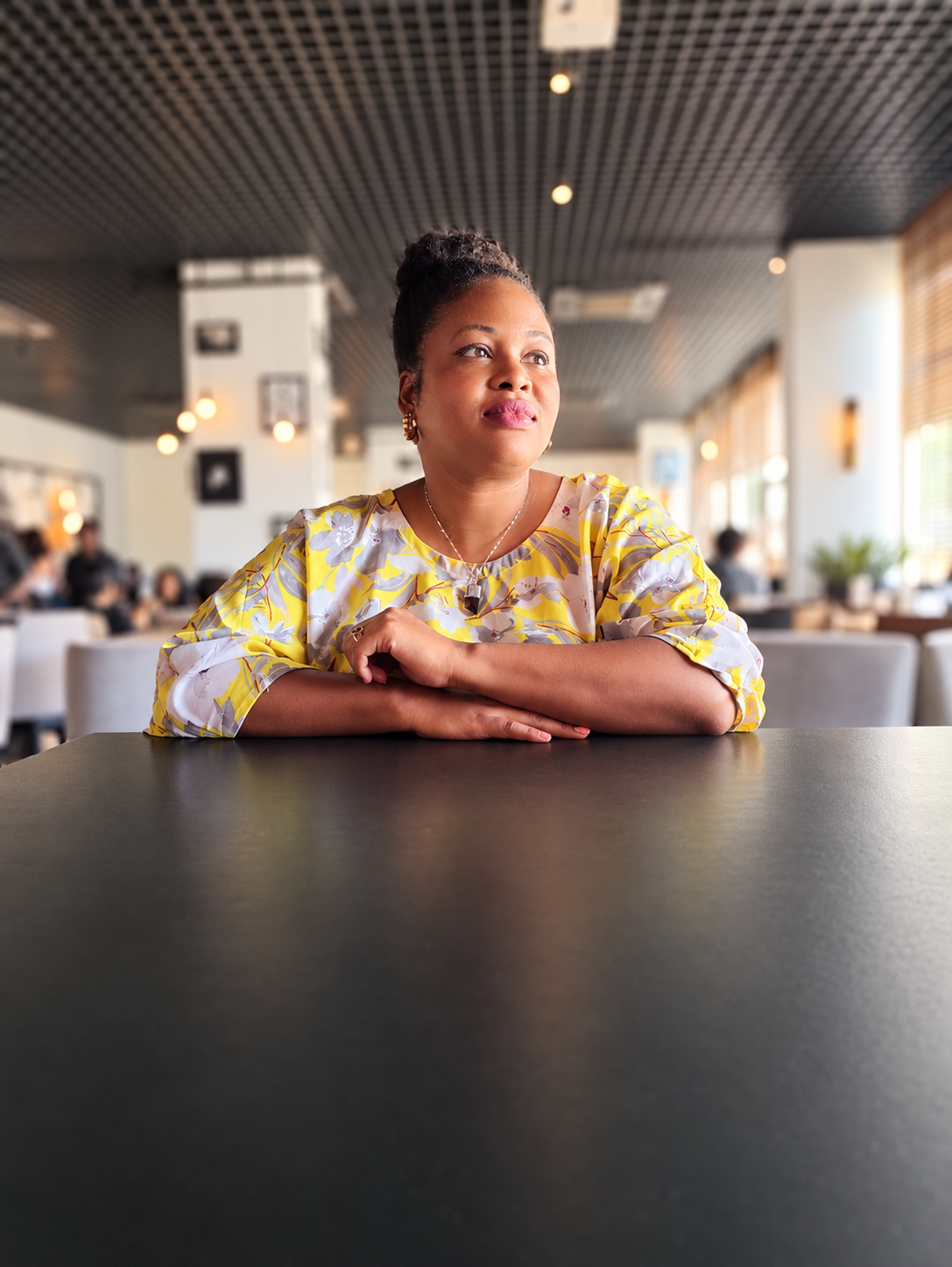
I have found this part of the Gallivanters story difficult to talk about. There is a difference between knowing that a chapter has ended and being ready to explain what it took to leave it behind.
If you knew Gallivanters without ever seeing much of me online, I’m Tamara. I was usually behind the scenes, helping run the business while also prioritizing my virtual assistant work in Tanzania. Kibwana and I spent five years working and pouring ourselves into Gallivanters. Posting my face was never really part of how I showed up for the business, so it feels a little funny to be introducing myself properly while telling the story of having to pack it all up.
In February 2026, we had to leave the Masaki property where we had built Gallivanters Hostel. A business we had spent years bringing to life had to be packed up in twenty days.
I had watched other properties and plots around us in Masaki being selected for redevelopment. I knew it was going to be a matter of time before our property was selected too.
For those who stayed with us, and those who have wondered what happened, this is where we are now.
Before there was a hostel to pack up
Gallivanters had taken far more work than we expected. We renovated an old property, dealt with problems that appeared as the work progressed, and kept finding ways to finish what we had started. The pool alone became a story of its own.
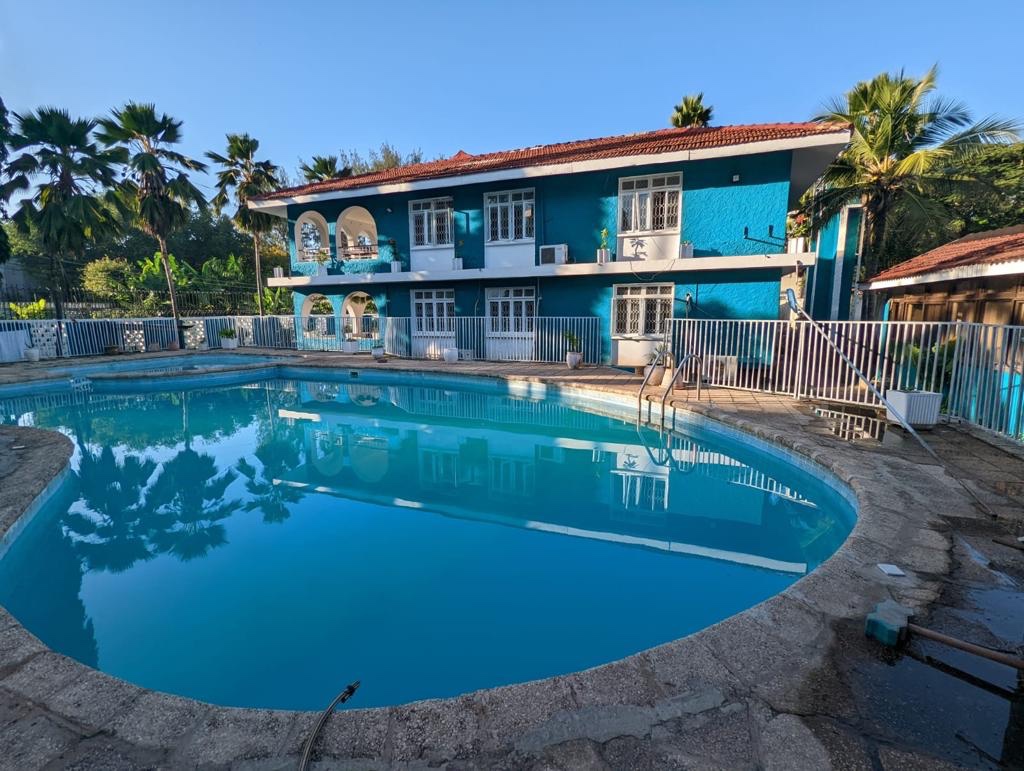
We invested more than $75,000 in the renovation. Income from the two Airbnb apartments I managed helped keep the project moving when the original renovation money began to run low. It was a business built through work, adjustments and a great deal of personal investment.
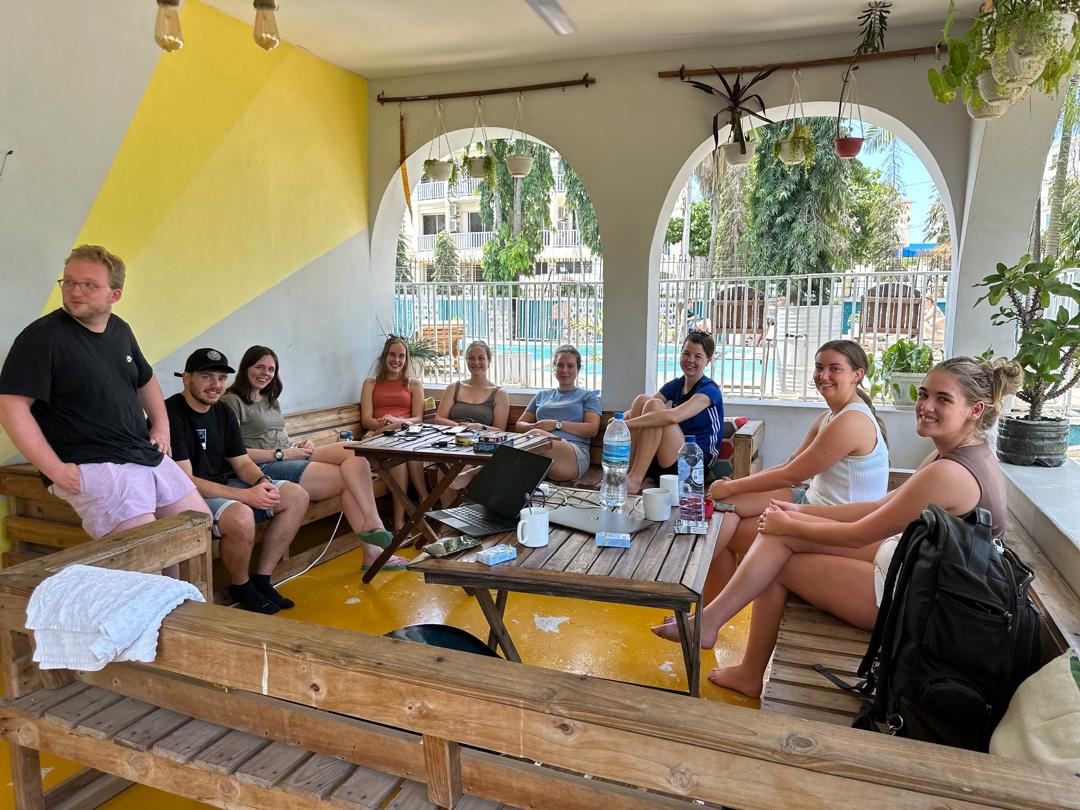
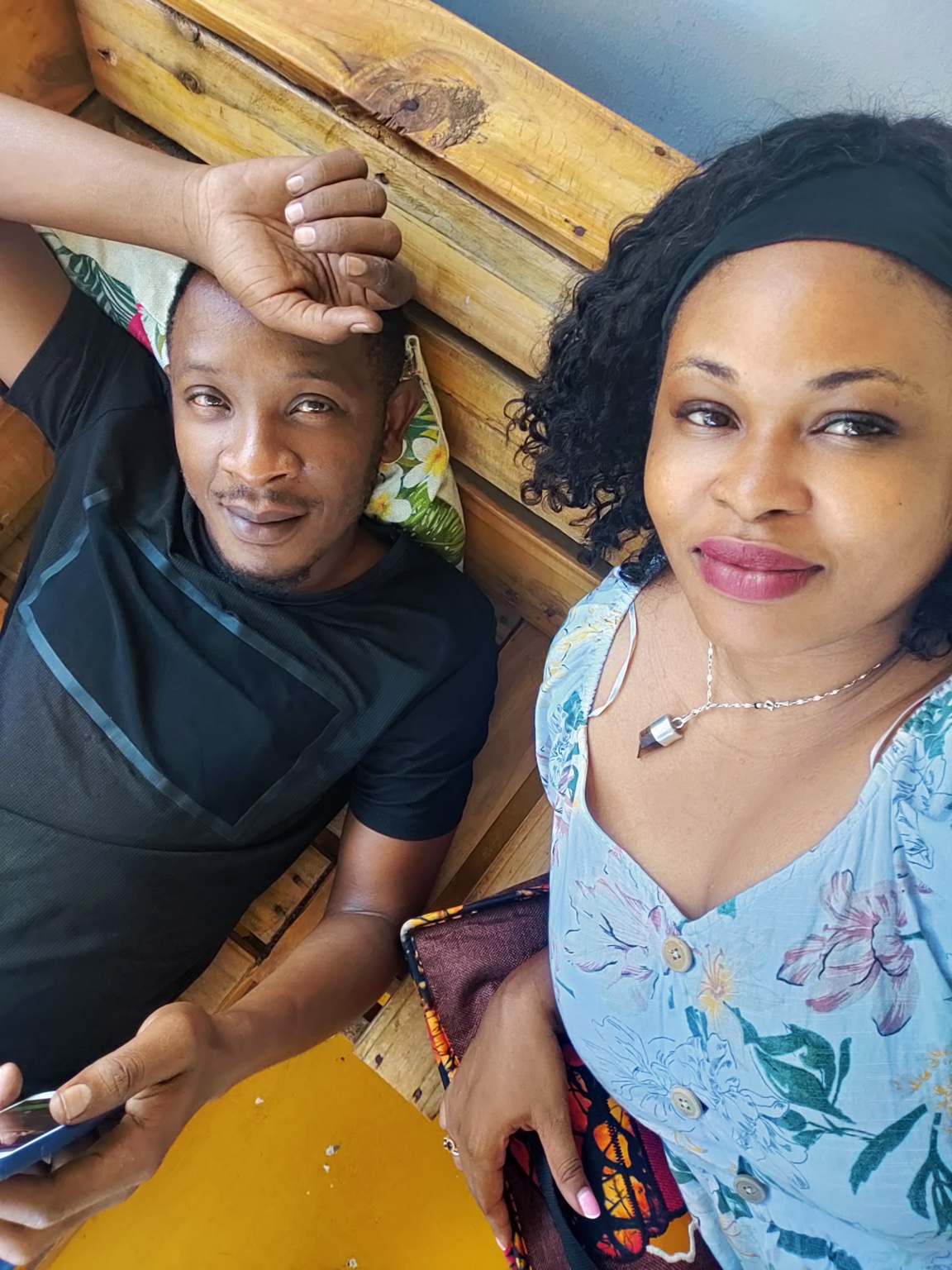
One of our favorite places to sit was a bench Kibwana had bargained for with a fundi. I remember him getting it for next to nothing. That bench became a favorite hangout spot for our guests too, and we met so many people there.
I would sit among other digital nomads with my work in front of me while they worked on theirs. I didn’t introduce myself as the owner or co-owner. We would work, talk and trade stories. I was a remote worker myself, sharing the space with them.
If you’re planning a remote-work chapter of your own, explore our digital nomad resources and upcoming guides.
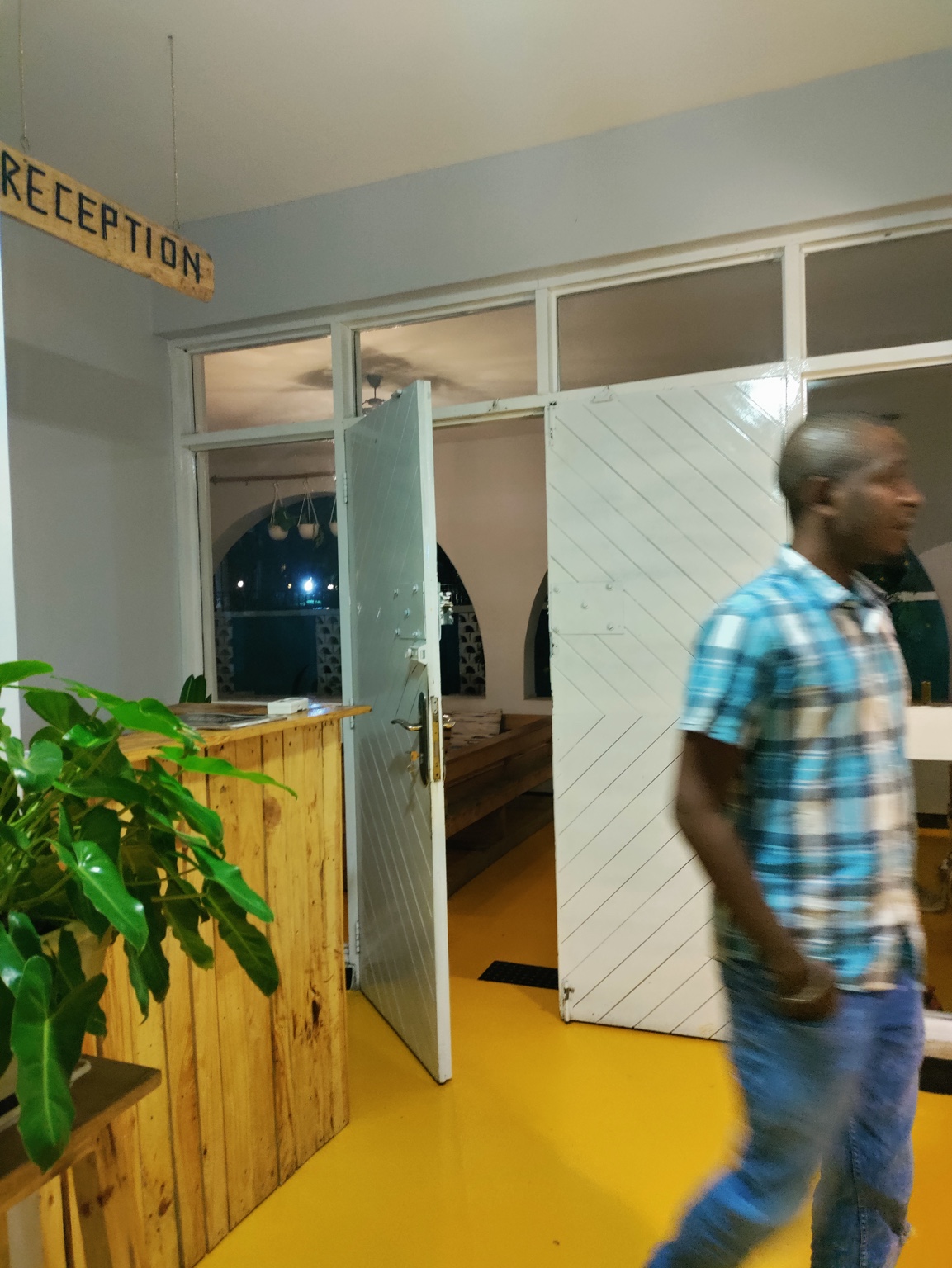
I also spent a lot of time popping in and out of reception and checking in with the staff. Kibwana was their manager, but if someone needed anything, I was there to help. If I noticed something was missing or needed adjusting, I would make sure it was addressed.
Guest reviews were a big part of how we made improvements. I regularly read what people left on Booking.com and Google, looking at what they enjoyed and what we needed to change. Whenever we received a negative review, Kibwana would reach out to that guest and ask how we could improve. We took that feedback seriously.
I believe listening helped us grow. We listened to our staff as well as our guests, and their experiences shaped the decisions we made about the business.
There were also the everyday moments I loved: hanging out by the pool, watching guests enjoy the space, and moving furniture around to make things work better. We kept finding things we wanted to improve.
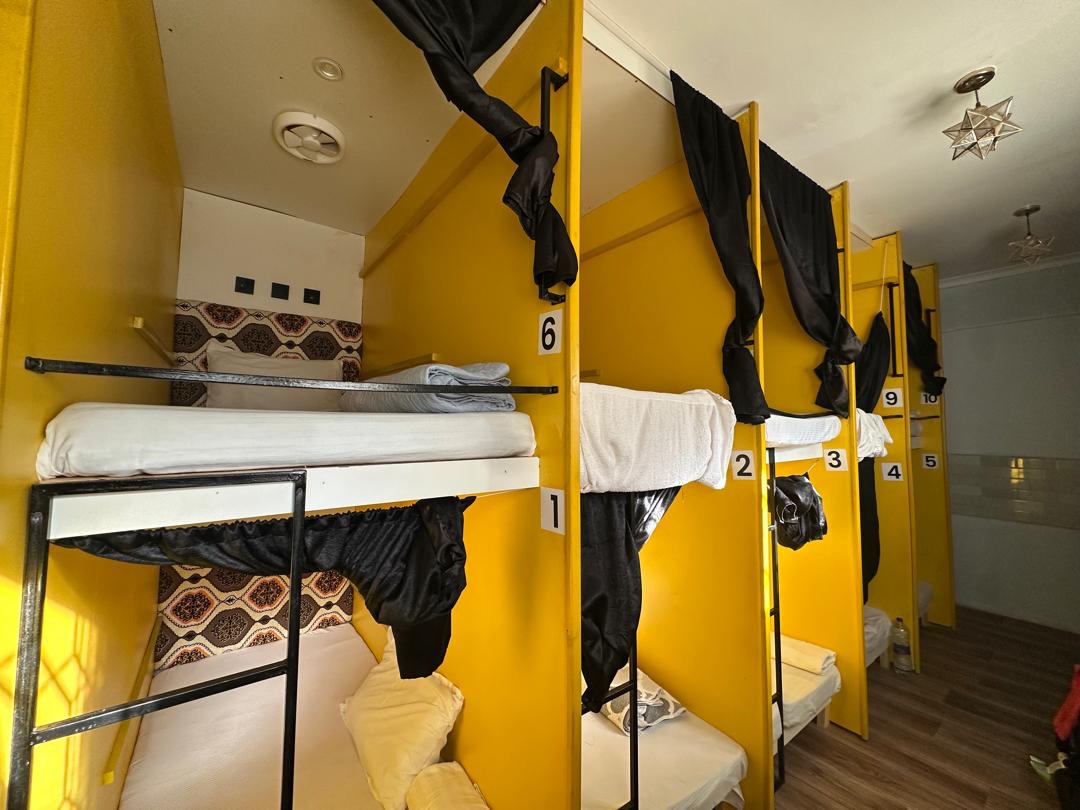
Once, Kibwana came back from Zanzibar after staying in a pod-style dorm and said we needed to build one like it. We used one of our spare rooms, and in under two months he had built a ten-bed pod-style dormitory.
We had built it one project at a time. Now it all had to come apart.
You can read more about how the Airbnb apartments helped us build Gallivanters and what it took to get the pool ready.
The news came while I was in the United States
I was in the United States, getting my paperwork in order and renewing my passport and driver’s ID, when our landlords told us they were moving forward with redevelopment. Even though I had seen it happening around us in Masaki, the news was still a shock.
We had a good relationship with our landlords over the past five years. They had been amicable, and we had not had issues with them. This was their family property, and redevelopment was an opportunity they wanted to move forward with immediately.
Kibwana and I understood that as business owners. We could have argued or fought about leaving, but we also understood the opportunity in front of their family. We were not going to stand in anyone’s way of making money.
So we decided to vacate as quickly and quietly as we could. For us, the next step was to rebuild something of our own. After putting so much into a rented property, we wanted to build with greater security—something we would not have to leave behind in the same way.
We had expected to have about a year to prepare for a move. Instead, we suddenly had to make it happen in a matter of weeks.
By February, the practical work of leaving was underway.
Twenty days to pack up Gallivanters
Kibwana handled the packing on the ground. He had twenty days to move out, but before the furniture could go anywhere, he had to build somewhere to put it.
We were packing up the contents of two floors: sixteen bunk beds, furniture from four private rooms, lounge furniture, outdoor benches and seating, linens, lockers and storage units. There was so much to move, and the warehouse had to be large enough to hold it.
By the tenth day, the storage building was ready, and the furniture and equipment were being moved over.
At the same time, he was responsible for keeping our staff informed about what was happening and taking care of them through the transition. With me in the United States, he was the one managing those conversations and the practical work on the ground.
We also had bookings to refund.
We vacated by February 19, 2026. On February 27, demolition work began at the old property.
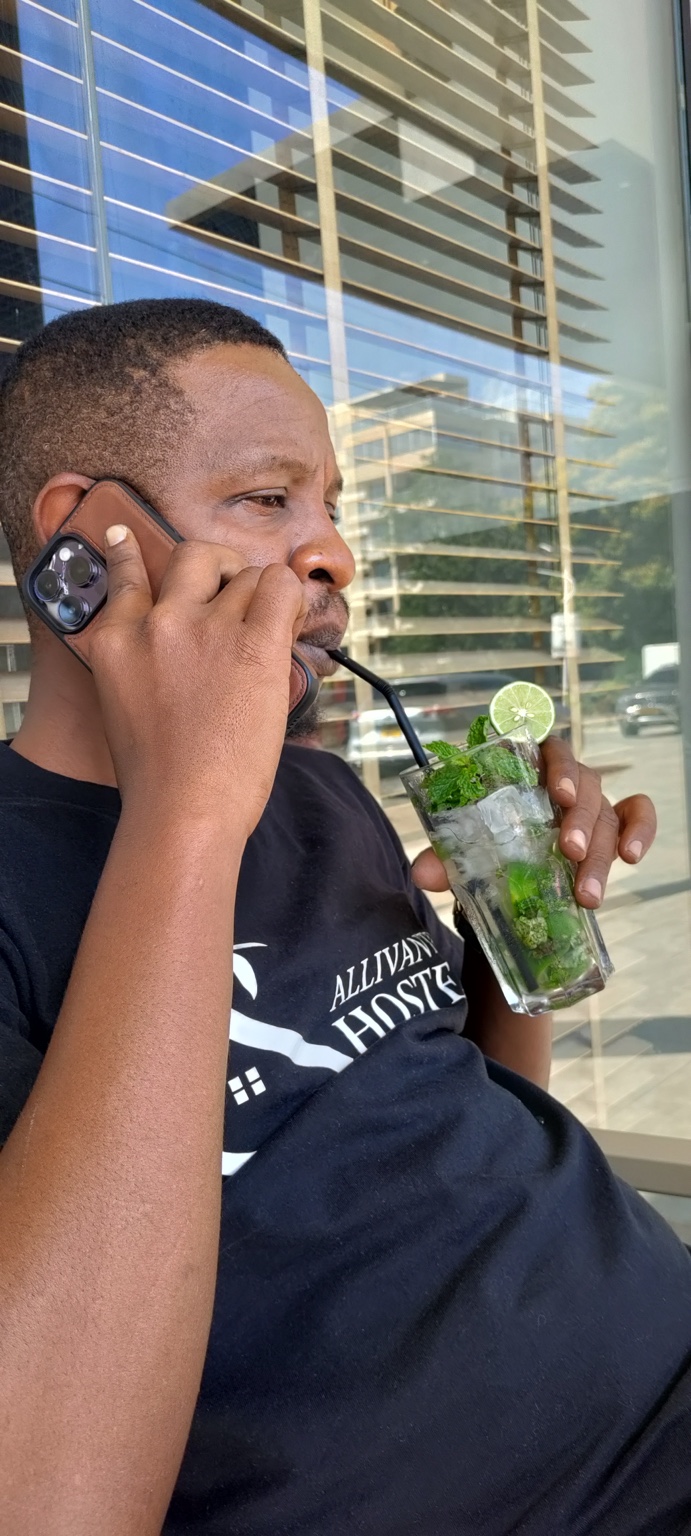
Keeping what we could for the next chapter
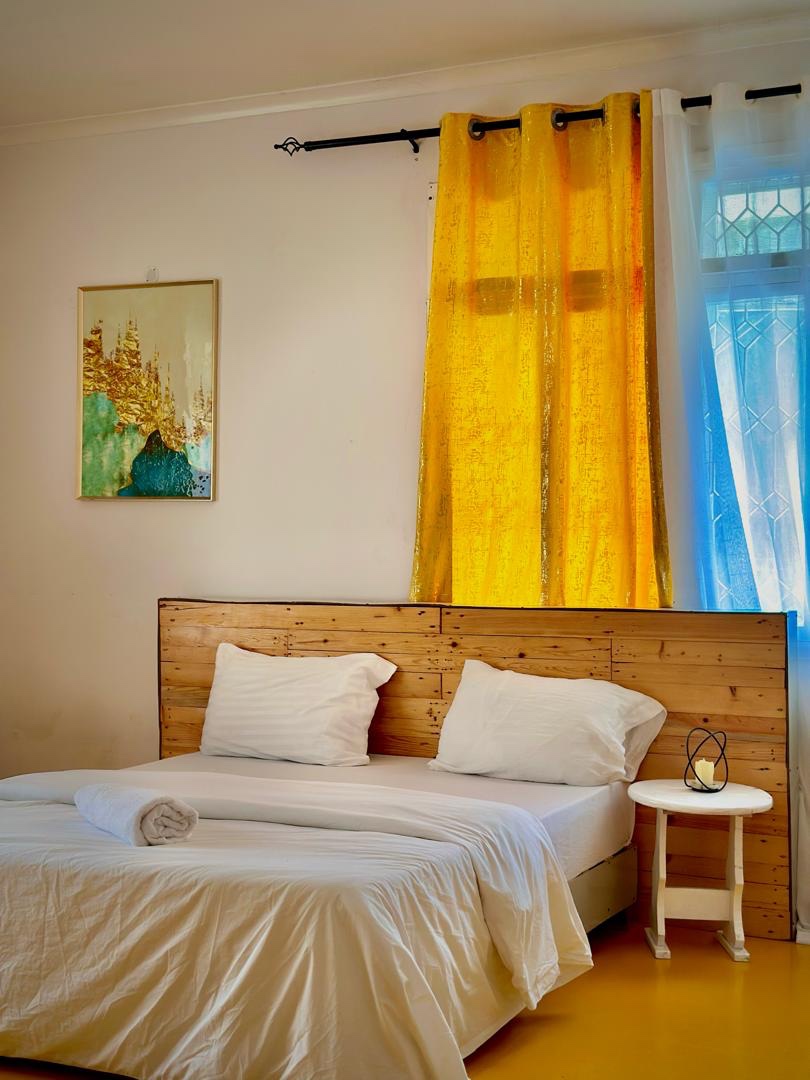
The furniture and equipment we could take went into the storage building on family land. It gave us somewhere to keep them while we planned what came next.
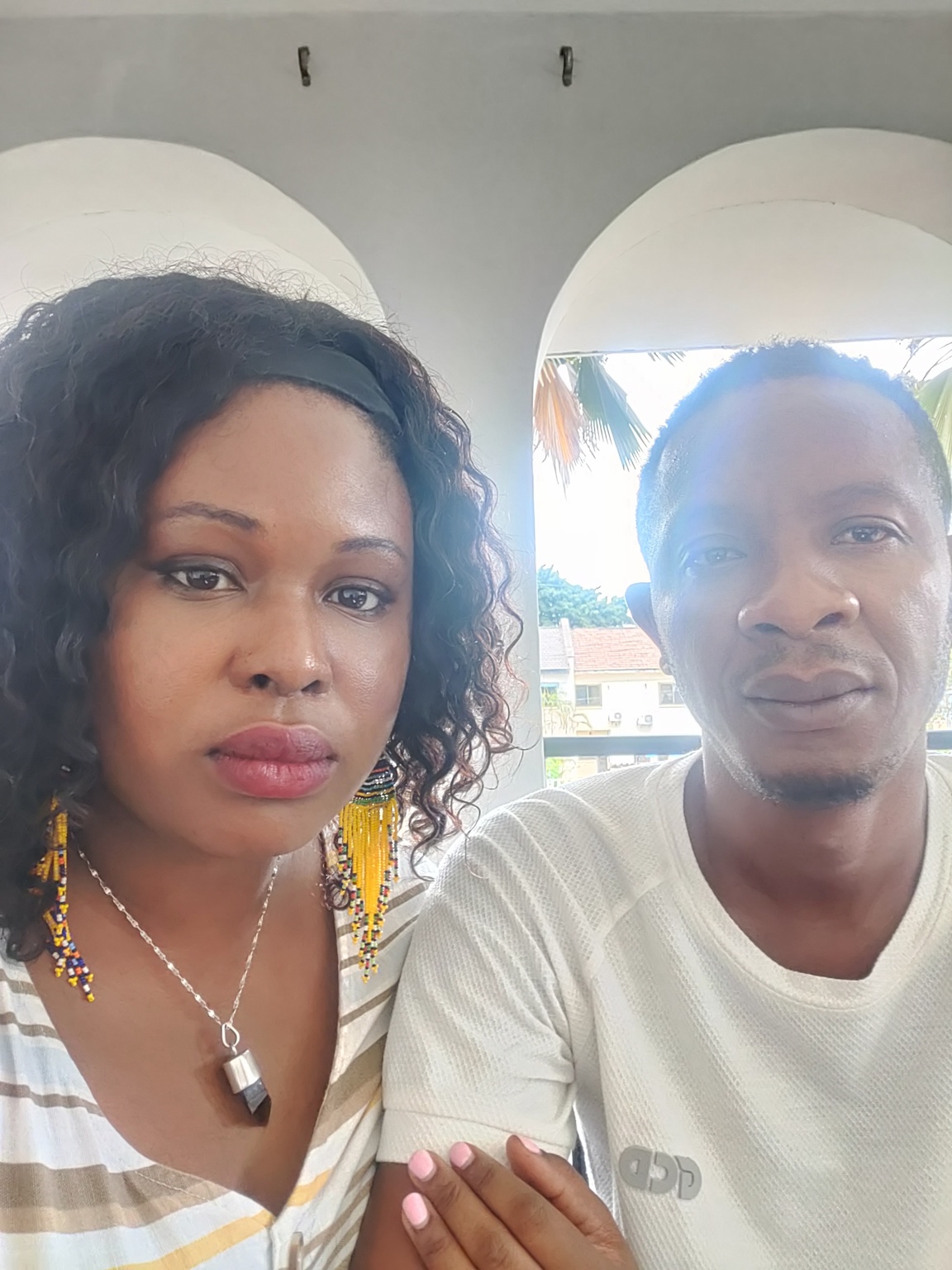
A smaller beginning at a new location
Our plan is to rebuild Gallivanters in phases rather than trying to recreate the entire Masaki property at once.
The first phase we have discussed is four rooms: two private rooms and two dormitories, with roughly six to eight beds in each dorm—and, of course, a pool. We cannot leave out the pool. It was what first attracted us to the original property. Later expansion would follow as the project develops and the budget allows.
These are plans for the next property, not a description of accommodation that is already open. We do not have a reopening date to announce.
We are carrying lessons from Masaki into those plans: the cost of renovation, the importance of clear staff roles, the spaces guests actually used, and how much attention a hospitality business needs behind the scenes.
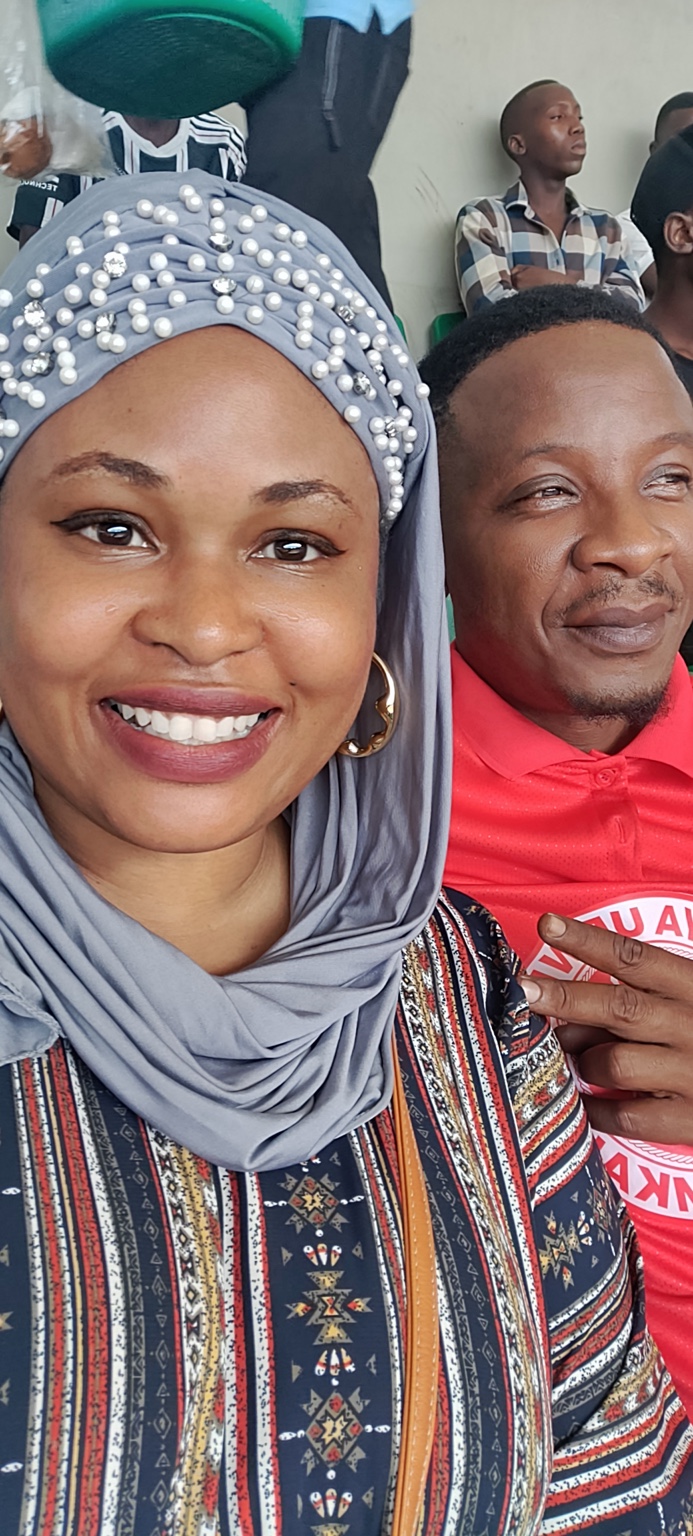
You can still travel with us
While the hostel’s next chapter takes shape, Kibwana continues to be our point of contact for Tanzania travel planning, safaris, Zanzibar trips and local experiences.
If you stayed at Gallivanters before, we would love to hear from you. Tell us what you remember, or simply let us know how you are doing. If you are planning your first visit to Tanzania, you can reach out about your route and the kind of trip you want to take.
Message Kibwana on WhatsApp about your Tanzania trip.
Preparing for your own trip? Start with my Tanzania packing guide and our Gear & Essentials recommendations.
For now, the journal is part of how I am continuing the work: sharing what we learned and helping travelers get to know Tanzania.
I am still finding the words for losing the old Gallivanters. I can share the next chapter as it takes shape.
