
When I asked Kibwana about climbing Kilimanjaro, I was not asking about a summit photograph. I wanted to know where I would sleep, who would cook, and what would happen when I needed the bathroom halfway through a long walk.
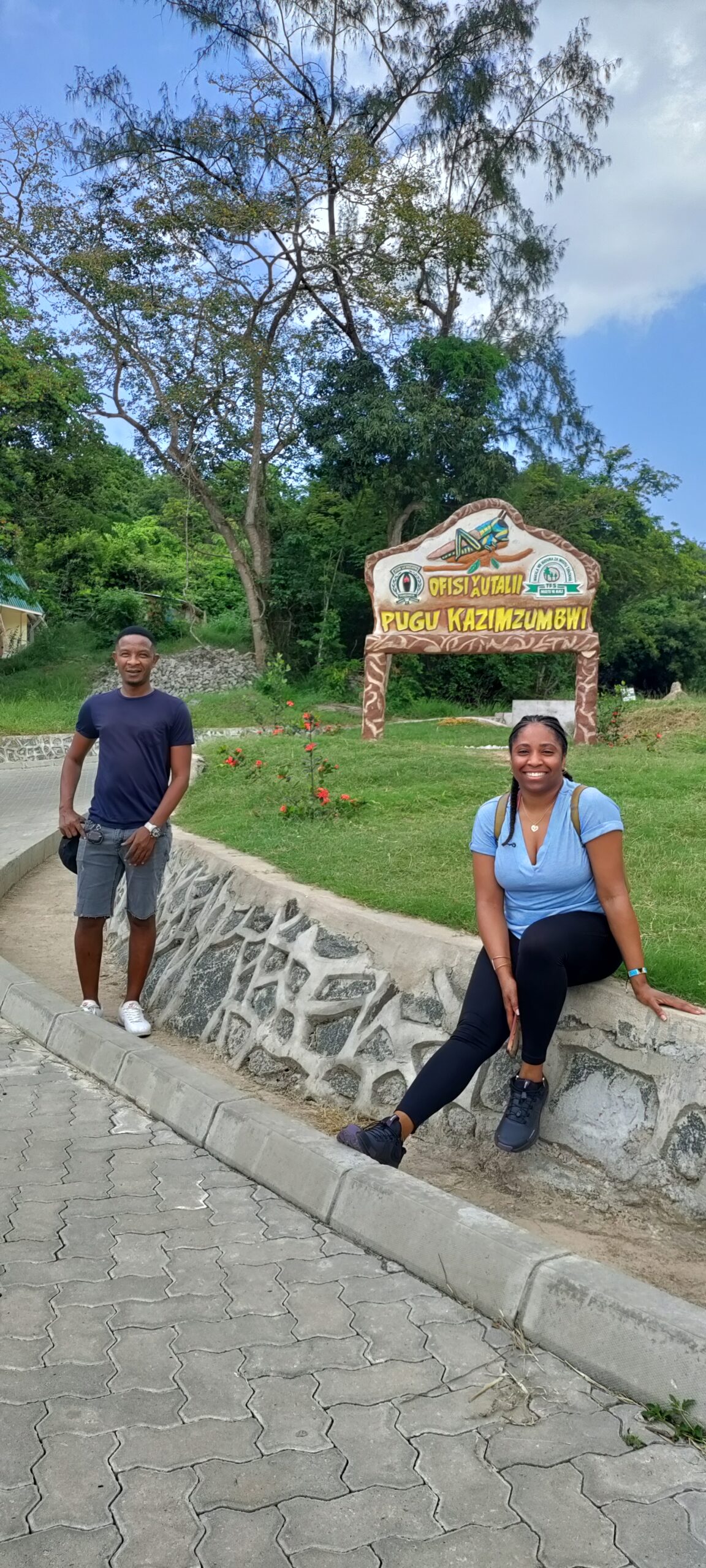
My husband has been up the mountain before. I am afraid of heights, and a much smaller hike at Pugu had already made me question my enthusiasm for climbing anything. So this became a conversation between someone remembering the experience and someone trying to imagine the practical reality of it.
At one point he mentioned places to stay along the way. I pictured something considerably more comfortable than what he meant.
“It’s a tent, babe.”
That was the point at which I started asking better questions.
Some links are affiliate links. As an Amazon Associate I earn from qualifying purchases, at no extra cost to you. Recommendations below are starting points to compare, not a claim that I have personally tested every item.
How do you actually get to the mountain?
On the trip he described, Kibwana took a bus from Dar es Salaam to Moshi, then continued to the mountain gate. That is his memory of that journey, rather than a transport plan every visitor needs to copy. For your own booking, ask where the pre-climb briefing happens, whether transfers are included, and how much recovery time you have after arriving.
Is it one long walk every day?
Kibwana described walking in stages, stopping for breaks and moving at the group’s pace. That helped me picture something more human than marching continuously from breakfast until dark. The operator’s day-by-day itinerary should show approximate walking time, distance and sleeping altitude; those matter more than a route name alone.
Do we sleep in tents or huts?
He was describing camping. Most standard trekking itineraries use tents; Marangu is known for hut accommodation. Confirm the actual sleeping arrangements for your booking, including the sleeping bag, mat, tent-sharing and rental options. A campsite is not a hotel room, even if the crew does a very good job of making you comfortable.
Who carries everything and cooks?
Kibwana remembers a small group with support crew and meals prepared on the mountain. A porter’s role is not automatically the same as a cook’s or guide’s. Ask the operator who is on the team and what each person does. Shared camping equipment may be included, while personal clothing, boots, sleeping bags or other items may need to be brought or rented.
I also asked what they ate, because apparently my imagination had already moved from the sleeping arrangements to dinner. His answer was straightforward: it depended on the package. Ask about a sample menu, dietary needs, drinking-water arrangements and how meals work on the longest day.
And the bathroom question?
Yes, I asked. It is a perfectly reasonable thing to want to understand before spending several days on a mountain. Ask which camps have toilets, whether the package includes a private toilet tent, and what to do between camps. Follow the guide’s instructions for hygiene and waste; do not assume facilities appear at regular distances along the trail.
What would I wear?
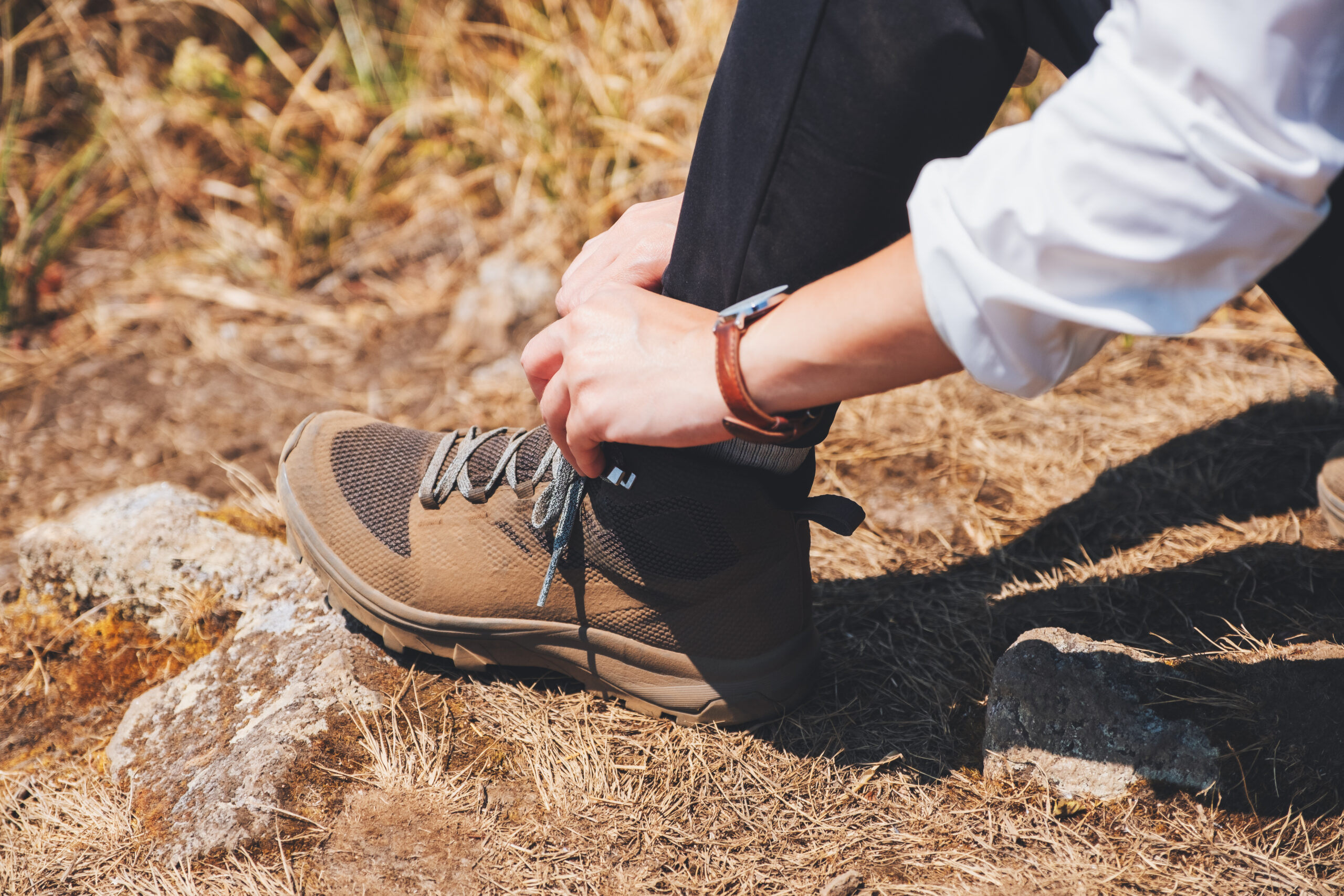
This is where our casual conversation needed a more complete packing plan. Comfortable walking clothes are only part of it. A summit itinerary needs a layering system that includes warm insulation, weather protection, appropriate footwear, warm headwear and insulated gloves or mittens. A light jacket and ordinary holiday clothes are not enough.
I have put the equipment discussion into a separate Kilimanjaro packing guide so this story does not become one enormous shopping list. These are some of the useful categories already in our gear library:
- Merino hiking socks – compare fit, cushioning and material; try them with your boots before departure.
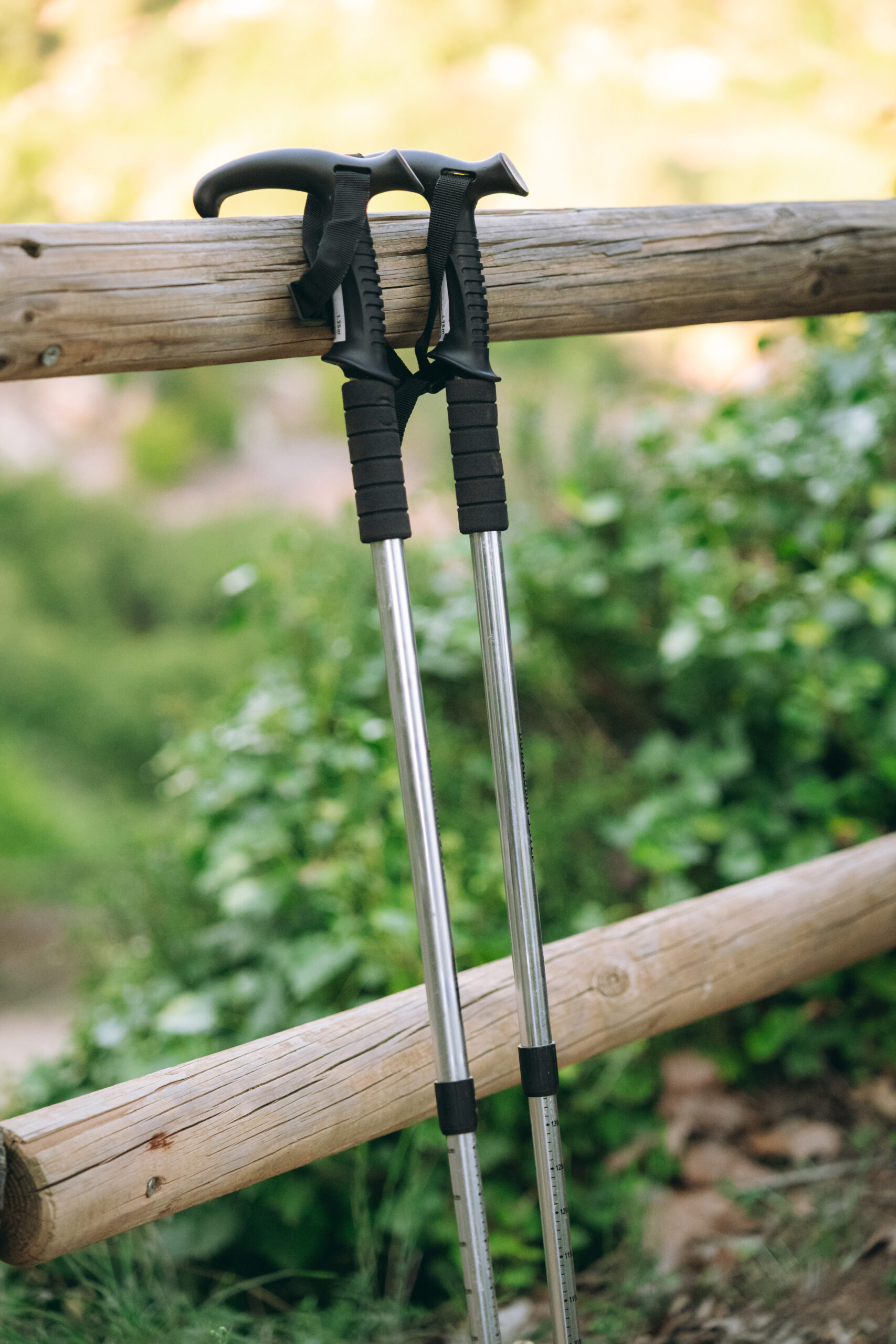
- Trekking poles – practise adjusting and using them on local walks.
- Hydration bladder – check compatibility with your pack; discuss freezing conditions and backup bottles with your operator.
- Headlamp – check runtime, charging options and how it works with gloves; agree a backup-light plan.
- Broad-spectrum SPF 50 sunscreen – include sun protection alongside a hat and suitable sunglasses.
Does being fit mean you will be fine?
Fitness helps with the effort of walking. It does not protect you from altitude illness. Give the acclimatization plan as much attention as your training, and speak with a clinician familiar with altitude before booking if you have relevant health concerns. Tell your mountain guide promptly about symptoms; worsening illness requires action, not encouragement to push through.
Would I use Pugu as a test?
My experience at Pugu was a reminder to be honest about my starting point. I would use smaller walks to learn about my stamina, shoes and enjoyment of being on a trail. I would not treat finishing one as a certificate of readiness for Kilimanjaro. There is no shame in deciding the mountain belongs to a later trip, or that a coastal journey is more your pace.
What about routes and the cost?
Our conversation included several route names and a price Kibwana remembered from many years ago. Those memories are part of his story, but they are not a current quotation. Ask a specialist operator for a written itinerary and itemized price. Compare days, transfers, equipment, crew support, meals, tips and evacuation arrangements. Umbwe should not be treated as a one-day summit-and-return shortcut.
I may not be packing for the summit myself right now. But I understand the journey better after asking the ordinary questions. Sometimes that is where useful travel planning begins.
