
Working remotely in Dar es Salaam takes more than finding a pretty café. Test the internet at your actual desk, ask what stays powered during an outage, arrange a backup connection and choose your surroundings around your working hours. Those checks matter more than a room described as “digital-nomad friendly.”
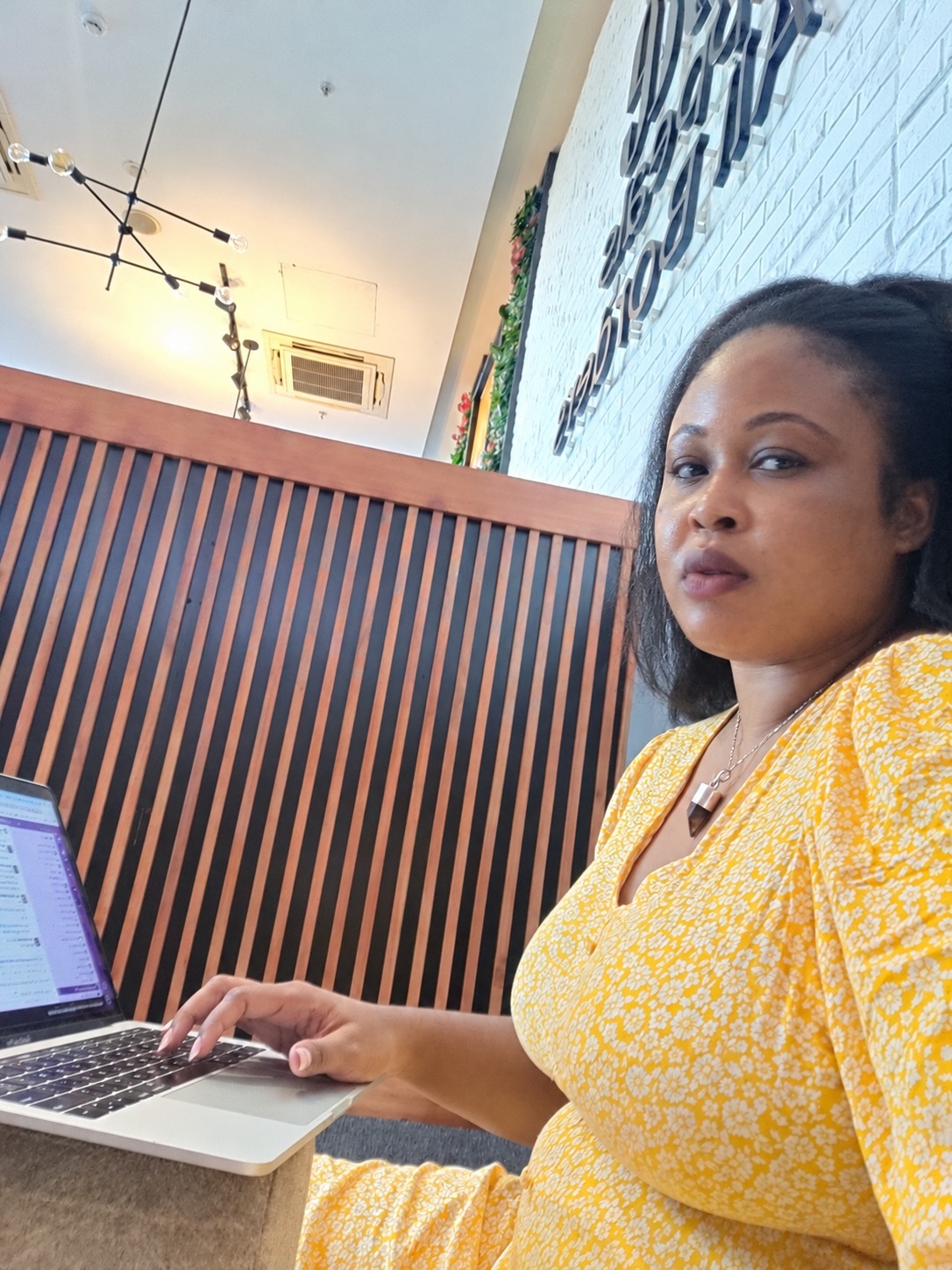
I spent almost five years living in Tanzania while working remotely as a virtual assistant and helping run Gallivanters with Kibwana. I loved being able to build a working life there. But the ocean view was never going to answer a client email for me.
Test the connection where you will actually work
Before booking a long stay, ask whether you can test the connection from the room you would use. A connection that works beside reception may behave differently upstairs, behind a closed door or during a busy evening.
Make the test resemble your work: join a video call, upload a file and check how well you can hear and be heard. Ask whether the connection is shared, who handles faults and what the plan is if it stops working. For a backup, investigate a separate mobile connection that works at that address; do not assume a second device automatically gives you a second network.
I am not recommending a provider or quoting a guaranteed speed here. The important starting point is the performance at your address and the tasks your clients need you to complete.
Ask what “backup power” actually covers
Ask your host or landlord which sockets and appliances remain usable during an outage, how the backup is activated and who pays for it. Can you keep the router running? Charge the laptop? Turn on a light? If you need air conditioning to work comfortably, ask about that separately.
Keep essential documents available offline and charge your devices ahead of important calls. Check that any power bank is suitable for the device you intend to charge; a phone charger and a laptop power solution are not interchangeable.
Listen to the street before you commit
I once lived near a church, a mosque and a bar on the same street. Yes, all three. The neighborhood had a full schedule, and my clients still expected me on theirs.
That is why headphones became important to me. But visit at different times as well: a quiet midday viewing cannot tell you everything about an evening or early morning. Ask about regular services, nearby venues and any construction. Test your microphone; what you hear through your headphones and what a client hears through your laptop can differ.
The laptop lesson I learned the expensive way
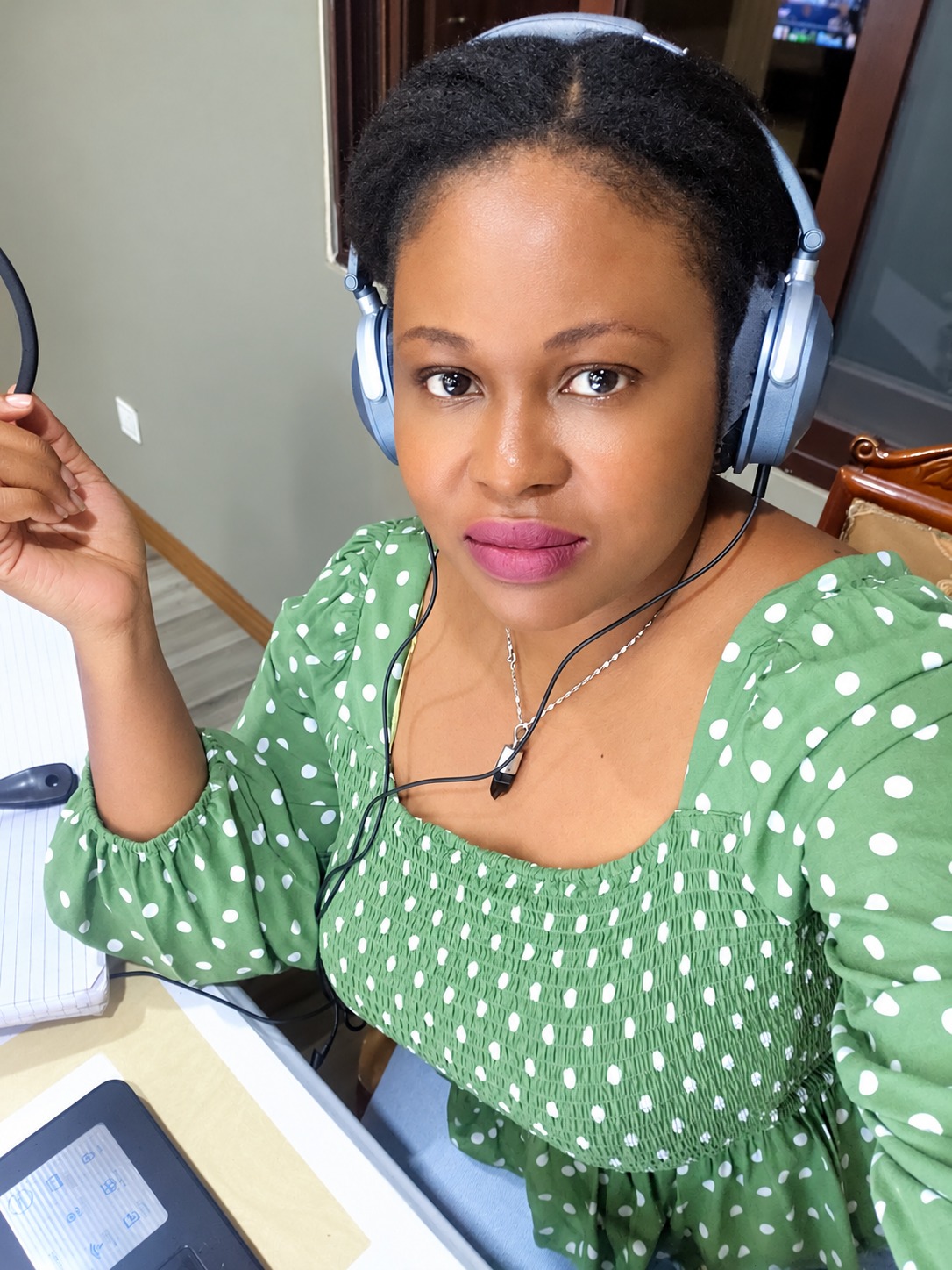
I went through two Dell laptops that burned out in under two years. The MacBook I use now has lasted me three years. That is my experience with those particular machines, rather than a promise about every Dell or MacBook.
Choose equipment for your actual workload, repair options and budget. Check charging requirements, keep backups of important files and leave room in your travel budget for repairs. On my Gear & Essentials page, I explain the products I recommend and distinguish current shopping options from the older equipment in my photographs. That page contains affiliate links.
Build your working week before choosing your neighborhood
Write down your client hours in both time zones, including daylight-saving changes where relevant. Then map your repeated journeys: groceries, family, meetings and any place you expect to work away from home. Being close to your daily needs can matter more than being close to one attraction.
I would compare accommodation using a short list:
- Can I take a confidential call comfortably?
- Do I have a suitable chair, desk and lighting?
- Have I tested the connection and power arrangements?
- What noise should I expect during my working and sleeping hours?
- What bills are included, and what happens when something breaks?
- Can I try a shorter stay before committing to a long rental?
For the wider picture, use my guide to living and working in Dar and our transport guide.

Leave room for the life you came to experience
Working abroad can become a surprisingly ordinary routine of emails, errands and laundry if you let it. Make room for a waterfront meal, a conversation and an afternoon that does not need to become content. Our Dar food guide and Mbudya-versus-Bongoyo comparison are good places to start planning time away from the screen.
Check permission for your intended stay and activities
Before making commitments, consult Tanzania Immigration and its residence-permit guidance. Describe what you intend to do and seek a determination that fits your circumstances. My experience of working remotely does not establish the permission required for someone else’s stay.
Start with a workable plan
Get the free East Africa Slow-Travel Planning Checklist and join the list for the Remote Work & Relocation Field Kit. Start with the questions you can test, then make your next decision with better information.
