

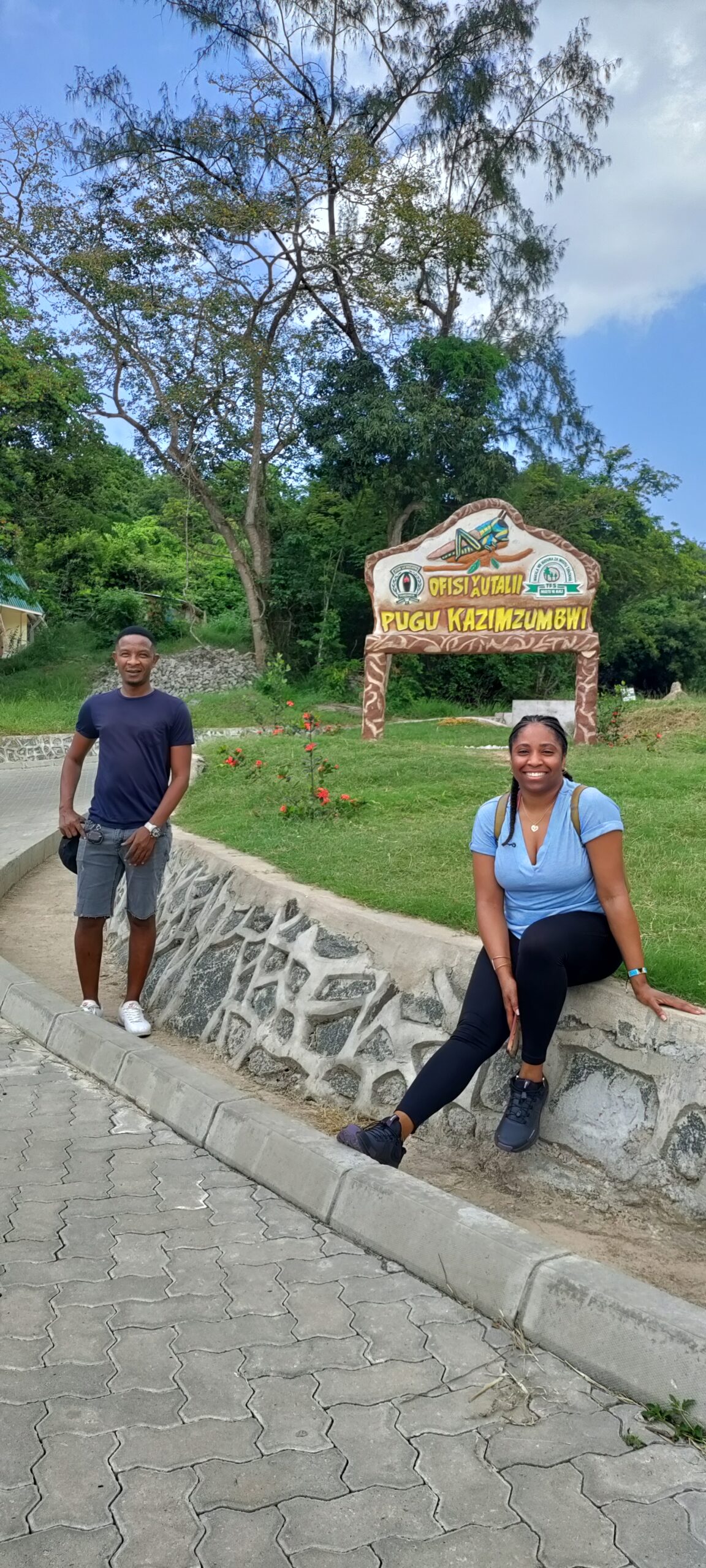
I do not want to introduce a Kilimanjaro training plan by pretending I found Pugu easy. I did not. A hike near Dar es Salaam gave me a very practical understanding of the gap between liking the idea of an adventure and enjoying the work of doing it.
When Kibwana and I talked about his time on Kilimanjaro, I kept returning to the daily walking: the breaks, the group pace, the early starts and doing it all again the next morning. That is the preparation I would want to understand before committing to a mountain trip.
Some links are affiliate links. As an Amazon Associate I earn from qualifying purchases, at no extra cost to you. Recommendations below are starting points to compare, not a claim that I have personally tested every item.
What this 12-week framework can help you do
Use these weeks to organize walking practice, improve familiarity with your kit and discuss readiness with your operator. This is an adaptable planning framework, not a personalized exercise prescription or a promise that twelve weeks will make every person summit-ready. Someone starting from little activity may need a longer preparation period.
Weeks 1-3: Find your starting point
Begin with comfortable walks that fit your present ability. Notice what happens on a slope, on uneven ground and the day after a longer outing. Build consistency before adding difficulty. If you have health concerns, injuries or symptoms during activity, get appropriate advice rather than trying to work around them silently.
Keep a short record of time walked, terrain, how you felt and recovery. That record is more useful than comparing yourself with someone else’s pace. Talk with your operator about the physical demands of the itinerary you are considering.
Weeks 4-6: Make practice more like walking on a trail
If your earlier weeks feel manageable, gradually introduce hills or stairs and a slightly longer walk. Change one demand at a time rather than adding distance, elevation and pack weight together. Include recovery days. Strength and balance work can support walking, but the exercises and load should suit your ability and any professional advice you have received.
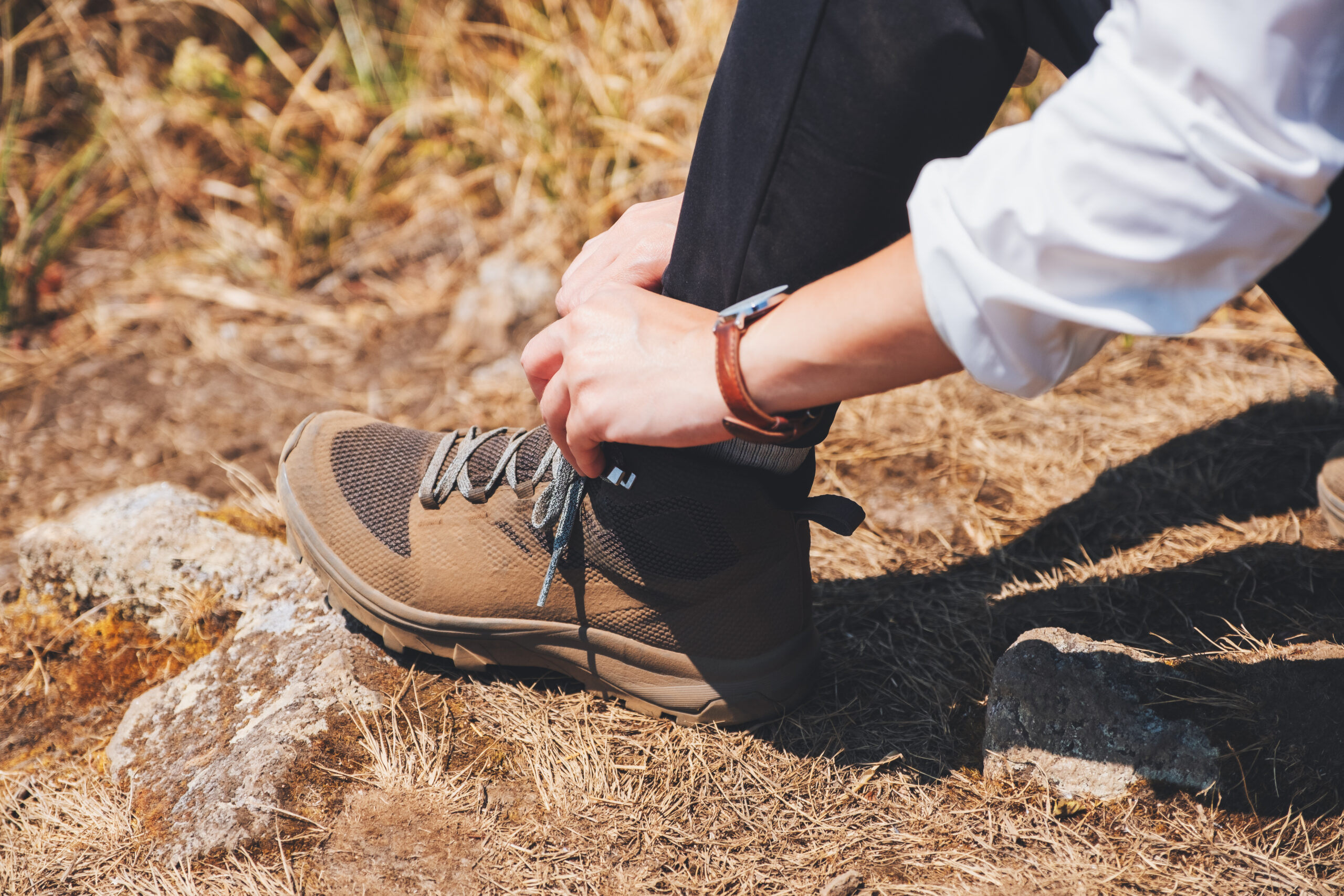
This is also the time to notice rubbing socks, slipping heels or a pack that does not sit comfortably. Try the hiking socks in our affiliate library with your intended boots. A product label is no substitute for fit.
Weeks 7-9: Rehearse the practical details
Build toward longer trail outings only as your recovery allows. Practise a steady pace, stopping for food and water, and adding or removing layers. Carry a realistic daypack load agreed with your operator; do not jump straight to an arbitrary heavy pack.
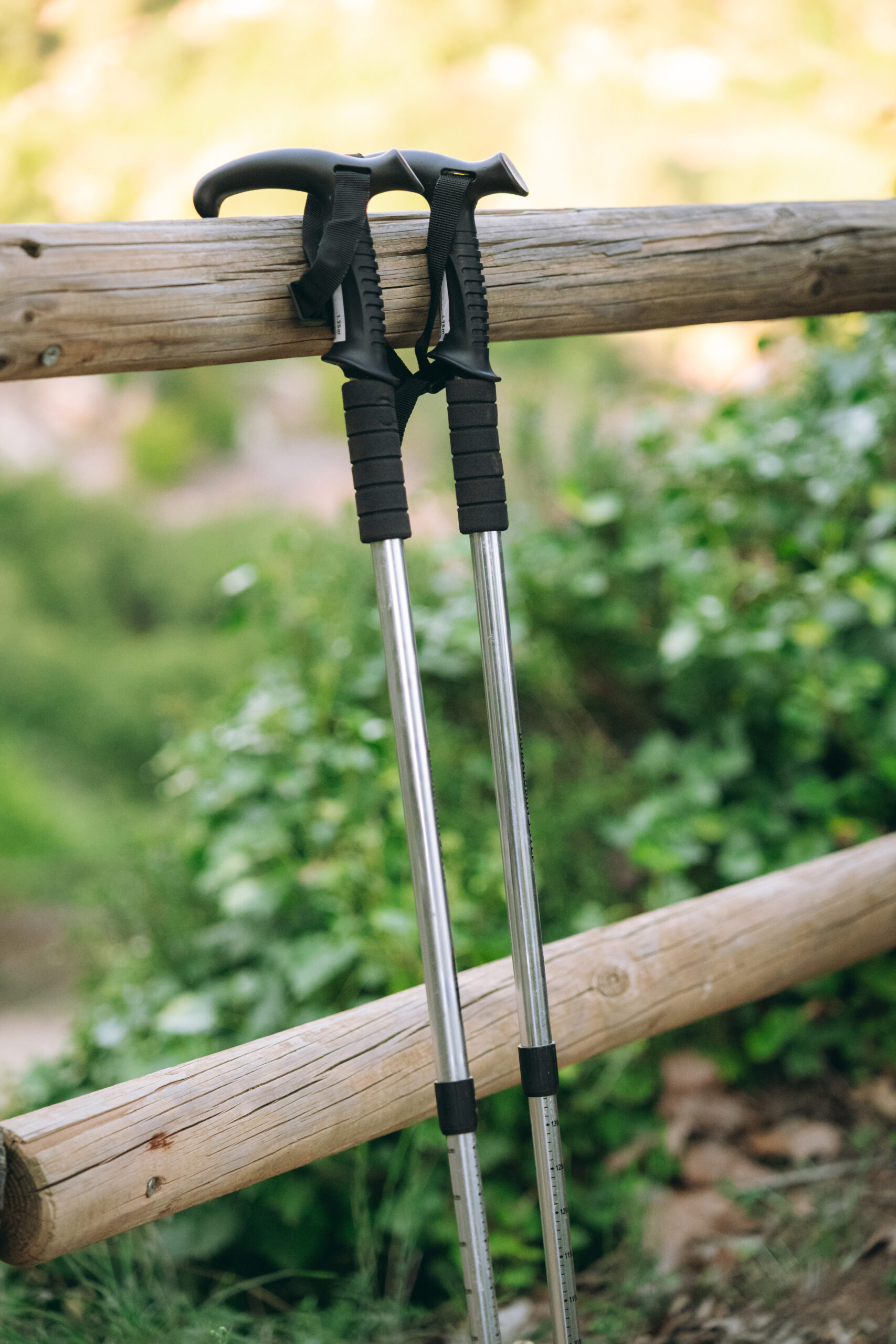
If you plan to use trekking poles, practise now. Test your hydration system for leaks and comfort, and ask how your water-carrying plan changes in freezing conditions. A reservoir alone should not be your unexamined summit-night plan.
Weeks 10-11: Check the whole system
By now you should have useful evidence about walking comfort, recovery and equipment. Review it with your operator. If repeated long outings are still beyond your comfortable ability, change the plan instead of trying to make up the difference in a few punishing sessions.
Check your headlamp, backup power, warm layers and footwear. Familiarize yourself with controls while wearing gloves. Pack sun protection and confirm the rest of your mountain kit against the operator’s list.

Week 12: Arrive rested and organized
Use the final week to ease back from demanding sessions, organize documents, sleep and settle outstanding questions. Avoid treating the last few days as a fitness rescue mission. Confirm the arrival briefing, gear check, transfer, rental equipment and what happens if the itinerary changes.
The questions I would ask before paying
- What does the route require on its longest day, and what are the sleeping altitudes?
- How does the itinerary allow time for acclimatization?
- Who checks symptoms, and what is the descent or evacuation plan?
- What equipment is supplied, what is rented, and what do I bring?
- What should happen if I am struggling before the trip even starts?
The lesson I took from Pugu is simple: I do not need to prove anything by ignoring how I feel. Preparation should give you information, not pressure you into a trip that no longer fits.
